New Hampshire Slot Machines: Charitable Gaming Expansion Under Consideration | 10BET

New Hampshire Lawmakers Consider Expanding Charitable Gaming Through Slot Machines

  • New Hampshire doesn’t have traditional casinos
  • Casinos in the state benefit charities
  • Slots are prohibited, but that could soon change

The 14 casinos operating in New Hampshire, which support charitable gaming organizations, might soon be allowed to trade their historical horse racing terminals for traditional Las Vegas-style slot machines.

Charitable gaming
Image by Romy_Deckel from Pixabay

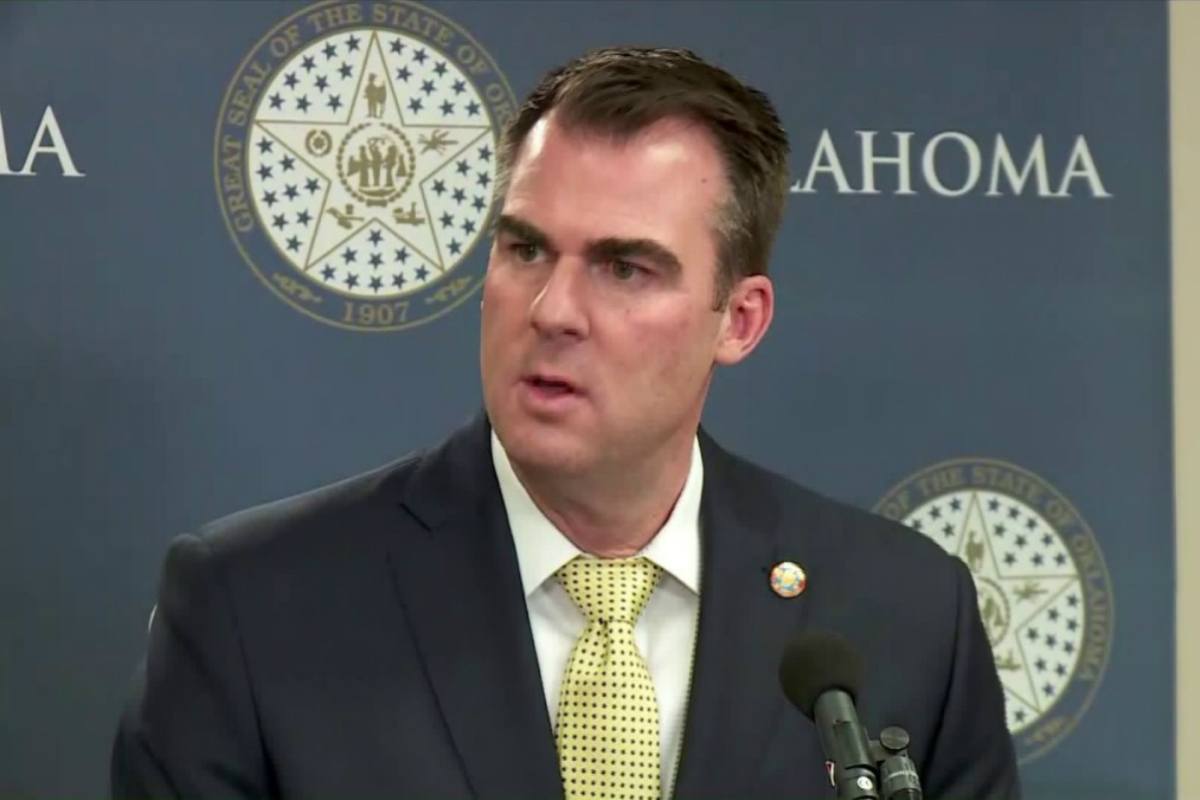
Lawmakers in Concord are responding to Governor Kelly Ayotte’s request to broaden gaming options in the Granite State, aiming to enhance funding for numerous nonprofits that the casinos support and also boost state revenue.

Currently, casinos can contribute to up to two charitable causes in a single day, with 35% of the gross gaming revenue from historical horse racing (HHR) and table games allocated to nonprofit organisations. The state garners 25%, while the remaining 40% is retained by the casino itself.

During her recent budget proposal, Governor Ayotte initiated the push for legislation that would enable these slot games. She proposed increasing the state’s share of gaming revenue to 30% in exchange for integrating these more attractive gaming choices.

Lawmakers Weigh Expansion

New Hampshire’s charitable gaming framework supports approximately 800 nonprofits each year. However, there’s growing concern from smaller organisations about their ability to secure time slots within casinos.

Each charity can appear as a benefactor at a casino for a maximum of 10 days annually. The five Revo Casino venues located in Conway, Dover, Keene, Lebanon, and Manchester collectively contributed over $15 million in charitable donations last year to about 400 organisations. Interested charities can apply through an online application form provided by Revo.

Governor Ayotte’s administration believes that permitting slot machines—which operate at a speed that completes a play or spin roughly five seconds faster than historical horse racing machines and are cheaper to maintain—could yield an additional $70 million in annual funding for nonprofits. Nevertheless, state legislators wish to ensure that charities previously voicing calendar availability issues are also accommodated if slots or similar video lottery terminals make their way into New Hampshire’s gaming scene.

The charities already benefiting from the casino’s existing rotation have noted substantial advantages. Jane Goodman, the executive director of Nashua Soup Kitchen & Shelter, expressed the significance of receiving financial help from charitable gaming, highlighting how it aids in crucial food supplies for those in need.

“The casino assigns us our dates, and then we just pick up our check. It’s pretty simple,” she explained about the straightforward process.

In June 2023, former Governor Chris Sununu approved legislation raising the maximum bet for table games from $10 to $50, while also increasing the loss threshold for players from $150 to $2,500 per game.

iGaming on Hold

Earlier this year, discussions revolved around legislation to authorise iGaming in New Hampshire similar to its retail and online sports gambling operations.

Senate Bill 168, proposed by State Senator Tim Lang and three fellow Republican Senators, aimed to enable the New Hampshire Lottery to issue three to six licenses for online casinos, taxing internet gross gaming revenue (GGR) at a rate of 45%. This tax revenue would potentially support various vulnerable groups within the state, including the elderly and those with disabilities. Unfortunately, SB168 was dismissed by the Senate Ways and Means Committee.

Conclusion

New Hampshire stands at a pivotal juncture that could significantly alter its charitable gaming landscape. The proposed changes promise to enhance financial support for numerous nonprofit organisations while also adapting to evolving gaming preferences. By embracing slot machines, New Hampshire could interlace traditional gaming charm with contemporary demands, ensuring a future where both the state and its cherished charities thrive.

The ultimate Las Vegas casino myth revealed: The woman who sat atop the famous sign | 10BET

Las Vegas Casino Myths Busted: The Truth Behind the Woman Who Sat Atop This Famous Sign

While many travelers head to a Las Vegas casino to chase high-stakes thrills and legendary wins, an even more daring legend exists within the citys history. An iconic image has sparked intense curiosity about how LaVeeda Varley executed the stunt of sitting atop the 90-foot tall Las Vegas Club sign, fueling the local mythos. However, the reality behind this feat is far less thrilling than the gamble suggested by the legend.

  • LaVeeda Varley did not actually sit atop the sign.
  • The well-known photo was a clever fabrication, combining a real image of Varley with an illustration of the sign.

The image first surfaced on a Facebook group dedicated to the Golden Age of Las Vegas, stirring up discussions and theories about the photographer’s vantage point. One bystander noted, “Just to the left of the lady appears to be a shadow of an airplane. Could that be where the photo was taken from?”

Las Vegas sign
Image by spartan9 from Pixabay

Another contributor proposed, “Helicopter or crane. I’m guessing it was a crane, since the photographer would have remained on board.”

However, there was already an elevator installed inside the sign, used to maintain the numerous incandescent and neon bulbs adorning it, rising up to 90 feet above the Las Vegas Club.

Nevertheless, LaVeeda Varley never utilized that elevator nor did she pose atop this famous sign.

The Real Story

The aerial image of the Las Vegas Club was, in fact, the work of Hermon Boernge, the art director at YESCO (the company behind the sign). He co-designed the casino’s sign in the Art Moderne Style alongside Kermit Wayne, a senior sign designer.

Boernge took a genuine photo of Varley enjoying a snack and a soft drink at the El Rancho pool in 1949, then artificially inserted her image atop the sign illustration.

Boernge meticulously cut and pasted Varley’s image into his artwork, even crafting shadows to make it look more realistic.

Upon closer inspection, the absurd positioning of the letters “LAS VEGAS CLUB” at street level and the peculiar angle of the parking sign reveal the alteration. This artistic piece was used in national advertising campaigns for the casino and as a colorized postcard, boosting its popularity.

Despite the brevity of this myth-busting tale, the underlying narrative of LaVeeda Varley’s selection as a figure in this illustration—and the associated repercussions in her life—is far more intriguing than the myth itself.

Rockies sign
Image by 12019 from Pixabay

LaVeeda’s Life

On July 30, 1951, at the age of 27, Varley wedded Luther Bacon “Tutor” Scherer, a man 44 years her senior. They met in 1950 at the El Rancho where he managed and she poured drinks. Scherer had a stake in the Las Vegas Club, thus making her presence in the iconic photo logical.

Dubbed the social event of the season, their extravagant wedding was hosted at the Church of Jesus Christ of Latter-day Saints in Las Vegas, attended by 4,000 guests and requiring a hefty sum of $25K (equivalent to over $300K today).

However, their happiness was short-lived: three weeks before their first anniversary, Varley discovered Scherer with another woman. In a fit of anger, she shot him in the leg, although both declared it an accident.

Ultimately, Varley was not arrested, and no charges were pressed against her.

wedding
Image by snapitostudio from Pixabay

Shortly afterward, a satirical poem about the incident featured in the Las Vegas Sun, which poked fun at Scherer’s poetry, furthering the couple’s notoriety.

By year-end, Varley and Scherer had divorced. Scherer later remarried another waitress, marking the end of a tumultuous chapter filled with fleeting fame and infamy.

Be sure to check out “Vegas Myths Busted” every Monday on Casino.org. To explore more previously busted myths, visit VegasMythsBusted.com. Got a suggestion for a Vegas myth that needs to be debunked? Don’t hesitate to reach out!

Summary: Despite the glamorous façade of Las Vegas, the truth behind LaVeeda Varley’s infamous photo atop the Las Vegas Club sign unveils a fascinating blend of reality and artistic interpretation. From the origins of the iconic image to the tumultuous relationships intertwined with her life, this story reminds us that many myths in the dazzling world of Vegas deserve a thorough investigation.

How Sands China’s Integrated Resorts Are Redefining Luxury Through Wellness and ‘Big Health’ in Macau

Sands China Elevates the Integrated Resorts Experience Through Luxury Wellness in Macau

Sands China, a major player in the gaming industry and operator of five luxury resorts in Macau, is shifting its focus towards promoting wellness and health-related experiences, positioning these properties as premier wellness resorts. This move is in line with a broader initiative termed “Big Health,” aimed at enhancing the well-being of visitors through diverse offerings at its integrated resorts.

Wellness resort
Image by thanasispp from Pixabay

The Bodhi Spa at The Londoner Macau exemplifies the luxurious wellness amenities Sands China aims to promote. Health and casinos traditionally seem at odds, yet Sands China has recognised a growing demand for such experiences, as most major resorts already provide fitness centres, spas, and relaxation pools. This strategy is part of a larger trend towards integrating wellness with entertainment to attract a broader range of tourists.

“Given that the global health tourism industry holds significant growth potential and a vast market scale, we hope to connect our tourism sector with Big Health by utilizing resources within integrated resorts, organizing conferences and exhibitions, and introducing health tourism products to make Macau a player in this emerging industry,” said Grant Chum, Sands China’s CEO and executive director.

Nongaming Initiatives

As part of their commitment to wellness, Sands China announced substantial investments aimed at enhancing its non-gaming attractions, which includes health-focused facilities and services. In 2022, the company agreed to invest over $3.5 billion in exchange for a 10-year gaming concession extension, with a significant portion allocated for improving nongaming projects.

  • Partnership with Tencent Video to host major entertainment events.
  • Investment in traditional Chinese medicine initiatives to further integrate health tourism into their offerings.
  • Collaboration with GMTCM Park to promote wellness initiatives and products.

Wellbeing Offerings

At The Londoner, Sands China’s latest casino, several wellness facilities are available, including:

  • Five outdoor pool complexes designed to offer a tranquil oasis.
  • Multiple gyms and health clubs equipped with top-tier fitness technology.
  • Full-service spa facilities offering various treatments.

A highlight at the Bodhi Spa is the crystal sound therapy meditation, which aims to promote a healthy energy flow and enhance mental clarity. Classes start at MOP800 (approx. USD 100) for individuals, while group sessions for up to six participants are available from MOP250.

This comprehensive approach to wellness reflects Sands China’s commitment to evolving the role of casinos in the tourism landscape, making them places not only for gaming but also for health and relaxation.

Conclusion

By diversifying their offerings and integrating wellness into their services, Sands China is set to transform the perception of Macau’s casinos. This forward-thinking approach not only caters to the rising interest in health among visitors but also positions Macau as a leader in health tourism in the region.

Key Takeaways

  • Sands China invests heavily in wellness initiatives at its resorts.
  • Health tourism presents significant growth potential for Macau.
  • “Big Health” promotes a holistic approach to healthcare, enhancing visitors’ overall experience.

In summary, Sands China’s forward-focused strategy underlines its dedication to enhancing the visitor experience through health and wellness, ensuring that its offerings remain relevant in a changing global tourism climate.

Cultural Restrictions: The Talibans Outlaw Chess Amid Fears of Gambling and Sin

From Strategy to Sin: Why the Talibans Ban on Chess Mirrors a Growing Crackdown on Gambling

  • The Taliban suspended chess, citing gambling and religious incompatibility.
  • Chess federation dissolved under Afghanistan’s hardline Islamist regime.
  • Ban adds to a growing list of cultural and recreational restrictions.

The Taliban government in Afghanistan has imposed a ban on chess, citing concerns related to religious compatibility and gambling. This ban comes amid a broader framework of cultural restrictions enacted by the regime.

Chess players
Image by jarmoluk from Pixabay

The Taliban’s Ministry of Promotion of Virtue and Prevention of Vice has declared that chess will not be played until it can be deemed compliant with Islamic law. Moreover, the Afghanistan Chess Federation, previously affiliated with the Afghan National Olympic Committee, has also been disbanded.

According to Atal Mashwani, a spokesperson for the sports directorate, chess is viewed as a form of gambling under Sharia law. This aligns with Islamic teachings that categorise gambling as a severe sin and an abomination. As a result, gambling not only faces legal consequences, including imprisonment and corporal punishment, but it carries a significant social stigma within the country.

‘Satan’s Handiwork’

The Quran explicitly prohibits gambling, referring to it as “grave sin” and warning against games of chance as “abominations of Satan’s handiwork.” Thus, the cultural implications of gambling are extensive, leading to severe repercussions for violators.

Under the Taliban’s rule, punishments for involvement with gambling can include imprisonment, flogging, fines, and confiscation of property, reinforcing the Taliban’s stringent enforcement of what they consider Islamic morality.

Chess and Afghans Go Way Back

Chess has a rich history in the region, originally stemming from India and making its way to Persia in the 6th century. The game has been a significant part of Afghan culture for centuries, especially during the Islamic Golden Age when chess flourished among scholars and nobility in the region.

Despite the current ban, interest in chess among Afghans has remained steady, particularly in urban areas. The extent of gambling associated with chess remains unclear, given the rigorous cultural restrictions that inhibit such practices.

Azizullah Gulzada, a café owner in Kabul, has hosted informal chess competitions in the past but respects the current ban, acknowledging the negative impact on his business. He emphasizes that other Islamic nations allow chess, illustrating a contrast in interpretations of Islamic law.

“Young people don’t have many activities these days, so many came here daily,” remarked Gulzada, highlighting the societal impact of such restrictive measures.

Long List of Prohibitions

The chess ban is part of a larger trend of prohibitions that clash with the Taliban’s austere interpretation of Islam. The regime has also prohibited various forms of entertainment, including music, films, and games that feature interaction between genders.

Women face even more severe restrictions, being barred from secondary and higher education, participating in sports, and accessing public recreational spaces. The Taliban’s policies extend to preventing women from singing in public and imposing limitations on their movement in society.

These prohibitions serve to constrain personal freedoms and perpetuate a culture of fear and control, as seen in the ban on constructing windows that overlook areas where women may gather, further enforcing gender segregation.

Conclusion

The Taliban’s ban on chess underscores a broader pattern of cultural suppression aimed at enforcing a stringent interpretation of Islamic law. While chess has historical roots and cultural significance in Afghanistan, this latest decision reflects the ongoing challenges faced by citizens under a regime that prioritises ideological conformity over personal freedoms.

Casino Resort Development Boosts Norfolk State University with $1 Million Gift from Boyd Gaming | 10BET

Boyd Gaming Invests $1 Million in Norfolk State University as New Casino Resort Development Progresses

Boyd Gaming is fueling a transformative era for Norfolk, Virginia, by spearheading a massive $750 million investment dedicated to the construction of a premier casino resort along the picturesque Elizabeth River. To ensure the local workforce is prepared for this influx of luxury entertainment, the company has also donated $1 million to Norfolk State University to establish the Boyd Gaming Department of Tourism & Hospitality Management. This landmark casino resort project is poised to become a cornerstone of the region, expected to generate significant economic benefits including the creation of 850 permanent jobs and an estimated local economic impact of $2.9 billion over its first decade of operation.

Overview of the Casino Resort Project

  • $750 million investment: This hefty investment will transform the Norfolk landscape by providing a modern entertainment hub.
  • Job Creation: The construction and operation of the casino are expected to create approximately 850 permanent jobs, contributing to lower employment rates in the region.
  • Tax Revenue: The casino is projected to generate substantial tax revenue, which can be reinvested into community services and infrastructure.
  • Community Engagement: Boyd Gaming is committed to community partnerships and is especially focused on supporting local educational institutions.
Casino construction
Image by doviliux from Pixabay

Boyd Gaming’s involvement in the Norfolk project marks an exciting new chapter for the city, especially since the development was approved through a local referendum in November 2020. At that time, city voters expressed strong support for introducing a casino to the area, and the project is finally coming to fruition after several years of planning.

Partnership with Norfolk State University

The recent gift to NSU marks a crucial step in developing a mutually beneficial relationship between Boyd Gaming and the university. The company’s vice president, Ron Bailey, expressed pride in further strengthening ties by establishing this new academic department, which will focus on training students for careers in tourism and hospitality management.

“Since we broke ground on our Norfolk casino resort project last year, Boyd Gaming and the Pamunkey Tribe have been committed to building a mutually beneficial partnership with our neighbours at Norfolk State University… We look forward to working closely with our friends and partners at NSU in the years ahead as we build a best-in-class team and create exciting career opportunities for Norfolk State graduates at our resort.”

Educational Program

The newly established Boyd Gaming Department of Tourism & Hospitality Management aims to provide students with an exceptional educational experience, blending theoretical knowledge with practical experience to adequately prepare them for various management roles within the global hospitality sector. Currently, Norfolk State University’s program includes:

  • Comprehensive coursework covering essential aspects of tourism and hospitality.
  • Internship opportunities to gain real-world experience.
  • Online accessibility to cater to a broader range of students.

Additional Benefits of the Casino Project

Aside from the educational contributions, Boyd Gaming’s Norfolk casino project is geared towards offering a vibrant entertainment centre that will feature:

  • A luxurious 200-room hotel
  • Eight diverse restaurants and bars
  • State-of-the-art spa and fitness facilities
  • Over 13,000 square feet of meeting space, catering to conferences and special events
  • A 45,000-square-foot rooftop deck, providing stunning views and outdoor experiences
  • A casino floor equipped with 1,500 slot machines, 50 live dealer table games, and a sportsbook

The average annual salary for employees at the resort will be nearly $69,000, surpassing the city’s median household income, which is approximately $64,000. Boyd Gaming is committed to providing hiring priorities for women, minorities, and veterans while supporting locally owned businesses for vendor requirements.

Community Investments

Boyd Gaming’s philanthropic efforts extend beyond NSU. The company has also directed $50,000 grants to Old Dominion University and Tidewater Community College to aid in training a skilled workforce ready to provide exceptional service to future casino guests. Bailey emphasized the importance of collaborating with local educational institutions to prepare workers for the services tested at Boyd Gaming’s new establishment.

Conclusion

The Boyd Gaming donation to Norfolk State University and the development of the Norfolk casino represents a significant commitment to the community’s future, fostering educational opportunities while driving economic growth. This partnership and investment promise a revitalised local economy and contribute to making Norfolk a prime destination for tourism and entertainment. Boyd Gaming’s robust approach in addressing community needs showcases a commitment to not just business success but also social responsibility.

The Critical Role of Casino Security: Preventing Robberies and Protecting Winners

Strengthening Casino Security: How Enhanced Measures Prevent High-Stakes Robberies and Protect Winners

Highlights: The investigation focused on the aftermath of a recent robbery, specifically examining how lapses in casino security allowed the breach to occur and detailing the key events and crucial evidence uncovered during the police operation.

  • Two LA men are accused of following jackpot winners home from casinos and robbing them at gunpoint.
  • Each faces federal charges that could add up to life in prison.

In a shocking turn of events, two men from Los Angeles have been arrested for allegedly robbing over a dozen casino winners at gunpoint. The crime spree, which took place on Southern California highways, has raised significant alarm among both the public and law enforcement.

Casino stalking
Image by tourque from Pixabay

According to the U.S. Justice Department, the main suspects, Juan Gabriel Gonzalez, 22, and Dereck Nathan Lopez, would frequent various casinos in Southern California under fake identities. They targeted individuals who appeared to be winning big, establishing a rapport before following them out of the casinos. Once in a vulnerable position on the highway, the robbers would smash car windows using weapons and demand money.

These robberies reportedly occurred at least 15 times, with the criminals able to pilfer around $130,000 over several nights. They are known to have targeted well-known establishments, including the Commerce Casino & Hotel in Commerce and the Parkwest Bicycle Casino in Bell Gardens.

One particularly brazen incident involved a female victim who was filmed completing a celebratory high five with Lopez shortly before he orchestrated her robbery of $21,000 at gunpoint. This chilling footage has only exacerbated fears regarding player safety in California’s gambling venues.

Law enforcement has charged both suspects with ten felony counts each. The charges include multiple counts of interference and attempted interference with commerce by robbery, one count of Hobbs Act conspiracy (a federal law covering robbery and extortion), as well as several counts related to the use of firearms in violent crimes.

In addition to the robbery counts, Lopez has been charged with being a felon in possession of firearms and ammunition, as he was previously convicted of grand theft in 2023. If they are convicted on all counts, both men could face life sentences in prison.

This case highlights ongoing concerns about safety for players leaving casinos, especially after winning significant amounts of money. It serves as a reminder for gamblers to remain vigilant and consider taking precautions when leaving a gaming facility, such as:

  • Assessing your surroundings before exiting the venue.
  • Considering using valet services offered by casinos for a safer exit.
  • Traveling with companions, especially if large sums have been won.
  • Alerting casino security personnel if you feel unsafe after leaving the premises.

Conclusion

The arrests of Gonzalez and Lopez have sparked widespread discussions about security in gambling environments. With a rise in targeted robberies, it’s essential for winners to stay aware of their surroundings and take necessary precautions to ensure their safety. The casino industry must continue exploring enhancements to security and player support to guarantee a safe gaming experience for everyone.

Atlantic City Casino Competition Report: Brick-and-Mortar Concerns

Atlantic City Casino Competition Report: Brick-and-Mortar Concerns

Atlantic City casinos are gearing up for new casino competition from nearby New York City. This report reveals the need for Atlantic City resorts to reconsider their strategies to maintain long-term viability.

Key Insights

  • Increased Competition: New York City is set to introduce major gaming properties that could threaten Atlantic City’s market share.
  • Stable Visitor Numbers: The number of visitors to Atlantic City has seen only slight increases in recent years, and remains below pre-pandemic levels.
  • Economic Contributors: Despite challenges, Atlantic City casinos continue to contribute significantly to the regional economy in New Jersey.

Profitability Amid Challenges

All nine casinos in Atlantic City were reported to be profitable last year, but a newly released study raises alarms about their future competitiveness, especially with the opening of billion-dollar gaming properties in New York City.

Casino boardwalk
Image by Ivyluphotography from Pixabay

Economic Impact Study

For the second consecutive year, Stockton University’s Lloyd D. Levenson Institute of Gaming, Hospitality, and Tourism published the study, titled “Impact: Atlantic City Casino Industry.” The report provides insights into the economic contributions of the gaming sector and highlights the need for collaboration among all stakeholders to ensure the industry’s future.

The study revealed that while overall gross gaming revenue (GGR) increased by 9% from 2023, the revenue from traditional brick-and-mortar operations declined by over 1%. The resurgence in online sports betting and internet casino gaming has not been enough to bring land-based GGR back to pre-pandemic levels.

Revenue and Cost Challenges

Atlantic City casinos have been directing a significant portion of their online sports and iGaming earnings to third-party partners like FanDuel and DraftKings, resulting in net revenues dropping by 0.5% in 2024, totaling $3.31 billion.

Jane Bokunewicz from LIGHT noted that the stagnation of traditional casino revenues is alarming given the substantial investments made by Atlantic City properties to enhance the in-person gambling experience amidst pressing inflation and market challenges. This financial strain does not provide sufficient leverage to cover escalating operational costs.

Visitor Numbers and Economic Contributions

According to LIGHT’s estimates, approximately 18 million visitors flocked to Atlantic City in 2024. This marked a slight rise compared to 2023, but it still signifies a decline of about two million visitors since 2019 and six million fewer than in 2009.

Despite the challenges, Atlantic City casinos play a vital role in the local economy, providing around 23,000 jobs, contributing $883 million in taxes, purchasing $605 million in local goods and services, investing $205 million in their properties, donating $1 million to charitable causes, and volunteering over 7,000 hours.

Looking Ahead: The New York Factor

By the end of 2025, New York is expected to finish its bidding process for three casino licenses. Each license is accompanied by a hefty $500 million fee to operate games in New York City, Long Island, or Westchester County, posing a significant threat to Atlantic City’s market.

Bokunewicz emphasizes the necessity for Atlantic City to solidify its position amidst rising competition. The city has benefited from NYC as a feeder market for years, and walking the fine line of revitalization is crucial, particularly with the expansion of casinos in downstate New York.

“Continued investment and revitalisation in Atlantic City is more vital than ever with the new New York casinos on the horizon,” she concluded.

Conclusion

The ongoing struggle of brick-and-mortar casinos in Atlantic City against the backdrop of New York City’s booming gaming industry highlights a pivotal moment for this iconic destination. As planning for new gaming venues unfolds in New York, the strategies that Atlantic City’s resorts deploy will be critical in shaping their future success and the vitality of the region’s economy.

As the gaming landscape evolves, Atlantic City must adapt to not only attract but also retain its guests in an increasingly competitive market.

Did Draymond Green Reference Golden State Point Spread in NBA Playoffs Game?

Did Draymond Green Reference Golden State Point Spread in NBA Playoffs Game?

  • NBA fans think Draymond Green referenced the point spread during the game
  • The Warriors were down by eight when Green reportedly mentioned the spread of 5.5 points
  • A last-second three-pointer capped the game at 102-97

During the Golden State Warriors’ recent 102-97 loss against the Minnesota Timberwolves, Draymond Green didn’t shine on the scoreboard, but his performance sparked heated debates among fans and analysts alike. Despite the loss, the Warriors managed to beat the point spread, leading to speculation about what Green communicated to his teammates about the situation on the court.

sports game
Image by Familyschaffner from Pixabay

Needless to say, Green’s box score was far from impressive; he scored just two points and grabbed two rebounds while also accumulating five turnovers and six fouls. With Steph Curry sidelined, Green’s shortcomings in this critical playoff match led to widespread discussions across social media, including memes portraying him in various humorous scenarios. The controversy arose when Green fouled out with 4:38 left in the game.

As the clock wound down, some viewers noted that Green appeared to inform his teammates about the betting spread during a timeout. With only 15 seconds remaining and the Warriors trailing 102-94, ESPN captured footage of Green seemingly discussing the pre-game spread, which was set at 5.5 points. Shortly after, teammate Jonathan Kuminga made a three-pointer, reducing the deficit to five points just before the Timberwolves ran down the clock.

NBA Bad Beat

The enigma of that moment has caused quite a stir among fans. BetMGM reported that a staggering 85% of the betting money for the Warriors-Wolves game was on Minnesota to cover the spread. As it stood, Kuminga’s final three-point shot did not influence the game’s outcome, but the implications were significant for those who had backed the Timberwolves to win by six points or more.

Social media erupted with opinions regarding whether Green’s comments suggested collusion or simply a player being aware of the game scenario. One comment on the Barstool Gambling page read, “Yeah, it’s crazy. Five and a half. I know they know it. The spread,” while another suggested that the entire scenario seemed orchestrated, saying, “The NBA is rigged. Period.” However, some disagreed, arguing that the point spread is public information and that the team needed to perform regardless.

Green Underperforms

As the game unfolded, the absence of a healthy Curry weighed heavily on the Warriors. Coach Steve Kerr had previously hinted that defensive effort would be crucial in securing a series lead, especially with Curry sidelined. Unfortunately, Green’s performance did not reflect that urgency. He only recorded two rebounds and failed to make any blocks during his 29 minutes on the floor, with many of those minutes limited due to foul trouble.

As we look ahead, Game 4 is set for Monday night in San Francisco. Continuing to face obstacles, the Warriors could struggle without Curry, whose injury casts doubt over his ability to play. Odds indicate that BetMGM has placed the Warriors at yet another 5.5-point spread.

Key Takeaways:

  • Green’s apparent reference to the spread during the game stirred debate about NBA integrity.
  • The last-second three-pointer significantly affected bettors on both sides.
  • Green’s subpar performance, compounded with Curry’s absence, raises concerns for the team moving forward in the playoffs.

In summary, the incident highlights the intersection of sports betting and performance in high-stakes games, pushing fans, analysts, and bettors alike to ponder the motivations and implications of player awareness around point spreads. As the playoffs progress, the Warriors need to recalibrate their strategies, especially with key players on the sidelines.

Lottery Jackpot Chaos: Kentucky’s $167.3 Million Powerball Winner Arrested After Bar Fight | 10BET

From Powerball Success to Legal Chaos: The Tragic Downfall of Kentucky’s $167.3 Million Lottery Jackpot Winner

The adrenaline rush of chasing a massive lottery jackpot can lead to life-altering changes, sometimes in the most unexpected ways. Just two days after hitting a staggering $167.3 million Powerball, James Shannon Farthing, Kentucky’s richest winner, found himself in a chaotic situation at a Florida beach resort. The high from his recent win was quickly replaced by legal turmoil when a bar fight erupted, resulting in accusations that he kicked a police officer in the face. At the very least, having secured such a monumental lottery jackpot, it is safe to say he can afford an excellent lawyer!

Arrest
Image by webjel from Pixabay

Bar Fight Chaos

On April 29th, at approximately 11:15 pm, *Pinellas County Sheriff’s deputies* had to respond to a disturbance report at the bar located in the Island Grand Hotel, which is part of the Tradewinds Resort in St. Pete’s Beach, Florida. Upon arrival, they found Farthing engaged in a physical altercation with another patron, Kevin Rushing.

  • Witnesses reported that Farthing hit Rushing with a punch to the face.
  • As police attempted to break up the fight, a deputy was struck in the cheek by Farthing.
  • Farthing allegedly resisted arrest and attempted to flee the scene, leading to his quick detention.

Farthing’s girlfriend, oddly named Jacqueline Fightmaster, 42, was also taken into custody at the scene. The police report described her as “yelling, screaming, and making incoherent statements” as she attempted to incite fights with other bar patrons.

Fightmaster was booked for disorderly intoxication and has also been reported as being photographed with Farthing just a day before their arrests.

As for Farthing, he faces serious charges: battery, obstruction, and battery against a law enforcement officer— the last of which is a felony. He was subsequently held at the Pinellas County Jail on a $10,000 bond and has pleaded not guilty.

Farthing’s Prior Legal Issues

Court records reveal that Farthing has a lengthy criminal background including charges such as engaging in organized crime, tampering with evidence, and escaping custody. At the time of the Powerball win, he was on parole due to past drug and theft-related convictions.

In a reflective moment, Farthing stated in an interview with *WKYT-TV*, “I’ve caused a lot of stress on my mother, you know… I’ve made some bad choices, and yet God has been generous to me for sticking by my faith and coming through.” This sentiment reflects a certain depth of understanding amid the chaos of recent events.

Conclusion

Farthing’s fall from lottery winner to accused offender demonstrates how quickly fortunes can change in the realm of luck and decision-making. As he navigates potential legal consequences, many will watch to see how this story unfolds— highlighting the unforeseen pressures that can accompany sudden wealth.

Quick Facts:

  • Win: $167.3 million in Powerball Lottery
  • Incident: Arrested shortly after for allegedly kicking a police officer
  • Charges: Battery and obstruction among others
  • Criminal History: Active criminal record involving organized crime and drug-related offenses
  • Current Status: Plea of not guilty, held with a $10K bond

Stay tuned for updates as the information continues to develop.

Casino Resorts Expansion: Grand Sierra Resort Secures Tax Funding for $435 Million Sports Arena

Grand Sierra Resort Bolsters Casino Resorts Investment with $435 Million Reno Sports Arena Tax Reimbursements

Key Highlights: The following points summarize the key highlights from the recent event held within the sports arena, an venue that serves as a premier destination for entertainment and a central hub for the surrounding casino resorts.

  • Reno city officials have approved property tax rebates for a new indoor sports arena.
  • The sports facility will be a $435 million investment at the Grand Sierra Resort.
  • This arena will serve as the home for the University of Nevada, Reno’s men’s basketball team.

Billionaire Alex Meruelo, the driving force behind the Grand Sierra Resort, has secured vital property tax rebates that are crucial for the development of a $435 million indoor sports arena in Reno. This ambitious project not only promises to revitalize the area but also aims to attract significant events and sports activities.

Arena resort
Image by wgbieber from Pixabay

As part of a broader $1 billion expansion and redevelopment plan for Downtown Reno, the Meruelo Group requested tax rebates from the city in exchange for the promise of a premier multi-use indoor sports facility. The arena is expected to host major concerts and events, along with serving as the home ground for the University of Nevada, Reno’s men’s basketball team — a significant addition that underscores the city’s commitment to enhancing its sports culture.

Tax Increment Financing (TIF) Approval

Recently, the Reno Redevelopment Agency Board voted to approve a revised Tax Increment Financing (TIF) application from Meruelo, allowing the return of up to $61.29 million in property taxes to the Meruelo Group until 2035. This decision came after lengthy discussions and negotiations, where Meruelo originally sought $97 million in city rebates to cover part of the arena’s costs.

Brian Sandoval, former governor of Nevada and now president of the University of Nevada, Reno, commended the agreement, stating, “To be competitive in college sports, we have to have a venue and the ability to generate revenue. The GSR project meets every single box.” The Wolfpack men’s basketball team has been successful in recent years, qualifying for the NCAA Division I Men’s Basketball Tournament multiple times since 2017.

Significance of the Grand Sierra Resort Expansion

The approval of the TIF agreement marks a significant milestone in Meruelo’s plans for further investment in the Grand Sierra Resort, expanding the complex to include the new arena, an aqua driving range, an indoor community ice rink, and a 2,400-seat parking garage. This expansion is designed to attract visitors and boost local tourism.

In a community-focused move, Meruelo has offered to donate the land he leases to Fire Station 21 to the city and has pledged to allocate 5% of his property tax reimbursements toward local youth sports organizations. This demonstrates his commitment to engaging with the local community and addressing their concerns.

However, not everyone supports the TIF approval. Several competitors in the casino industry, including Eldorado and Circus Circus, have expressed concerns, arguing that the funding of a private company raises ethical questions under Nevada law.

No Financial Risk to City

According to local officials, the property tax rebates are structured in a way that they will not impose any financial risk on the city budget, as they are linked to a development that would not occur without the TIF. City Revitalization Manager Bryan McArdle clarified that the city will essentially return tax revenues that would not have been generated in the absence of the arena project.

Currently, Reno is experiencing a revitalization period, with multiple investments aimed at improving the city’s profile as a destination. Jacobs Entertainment’s ongoing investment in the J Resort overhaul and the transformation of the Reno Neon Line further exemplifies this trend.

Summary

In summary, Alex Meruelo’s acquisition of property tax rebates is a strategic move to promote the development of a new $435 million indoor sports arena at Grand Sierra Resort. With significant community benefits and potential to enhance Reno’s cultural landscape, this project represents a pivotal opportunity for local stakeholders and the city’s revitalization efforts.