
How to Adapt Traditional Strategies for Online Casinos

Online gambling
Image by GregMontani from Pixabay

Understanding the Transition: Traditional to Digital Casinos

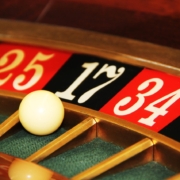
The shift from traditional casinos to digital platforms has transformed the gambling experience. While poker tables and roulette wheels dominate physical venues, online casinos offer an expansive selection of games accessible from anywhere, defining the world of online gambling. Adapting familiar strategies to this new environment is essential for players looking to maximize their success.

1. Game Selection: Prioritize the Right Games

Traditional casinos often advise players to choose games with a lower house edge. This principle remains applicable online. Researching the games available on digital platforms is crucial. Focus on:

  • Blackjack
  • Poker
  • Roulette
  • Slots with high RTP (Return to Player)

For more on RTP and how it affects your gameplay, check Gambling.com.

2. Bankroll Management: Digital Diligence

Effective bankroll management is a cornerstone of traditional gambling strategies. Online, this becomes even more critical due to the ease of access and the potential for overspending. Here are key tips:

  • Set a budget before playing.
  • Use betting limits offered by most platforms.
  • Track your wins and losses using spreadsheets or apps.

3. Making Use of Bonuses and Promotions

Unlike traditional casinos, online environments offer enticing bonuses and promotions. Players should strategically use these to their advantage. Consider:

  • Welcome bonuses for new players.
  • Reload bonuses and free spins.
  • Loyalty programs that reward frequent play.

To understand the types of bonuses and how to use them effectively, visit Casino.org.

4. The Importance of Responsible Gambling

Responsible gambling practices are paramount, especially in the digital realm where distractions are plentiful. Implementing strategies learned from traditional casinos can help:

  • Set time limits for gameplay.
  • Utilize self-exclusion features available on digital platforms.
  • Understand the signs of problem gambling.

Learn more about responsible gambling at NCPG.

5. How Technology Influences Strategies

The digital landscape offers advanced technology such as random number generators (RNG) in slot machines, which impacts basic strategies. Understanding this is vital:

  • RNG ensures fair play but makes patterns in slots unreliably predictable.
  • Live dealer games provide a more authentic experience and can leverage traditional strategies.

6. Community Engagement: Online Forums and Social Gaming

In traditional settings, players benefit from feet-on-the-ground knowledge. Online, engaging in forums and social gaming can provide similar insights:

  • Join online forums focused on gambling strategies.
  • Participate in social gaming platforms to learn from others.

Reddit, for example, has a thriving community around gambling at r/gambling.

7. Understanding the Role of Live Casino Options

Many online casinos now offer live dealer games that replicate the traditional experience. This can help in applying classic strategies in a more familiar setting:

  • Engagement with live dealers can enhance the experience.
  • Game strategies can be applied in real-time with real cards.

Conclusion: Merging Strategies for Success

While the settings may differ, the foundational strategies from traditional casinos can be effectively adapted to the digital environment. By prioritizing game selection, practicing responsible gambling, managing bankrolls wisely, and embracing technology and community insights, players can thrive in online casinos.

How to Build Strong Connections Within the Gambling Community: Best Networking Practices | 10BET

Gambling networking
Image by 5598375 from Pixabay

Introduction

For many enthusiasts, the true excitement of the game lies in the social bonds forged within the wider gambling community. While the wins and losses provide the adrenaline, it is the connection to this vibrant gambling community that truly enriches the experience, offering unique insights and a sense of belonging through shared strategies. In this article, we’ll delve into the best practices for networking and building meaningful relationships within this space.

1. Understand the Importance of Networking

Networking in gambling is not just about making friends; it opens doors to new opportunities, shared knowledge, and collaborative learning. Fellow gamblers can share strategies, provide tips on where to play, and inform you about upcoming events.

Benefits of Networking

  • Access to Exclusive Events and Offers
  • Learning New Strategies and Techniques
  • Building a Supportive Community
  • Enhancing Your Gambling Experience

2. Attend Gambling Events and Tournaments

Participating in local and national gambling events is a fantastic way to meet other players. These gatherings often feature competitions, seminars, and social activities that encourage networking.

Types of Events to Consider

  • Casino Tournaments (Poker, Blackjack, etc.)
  • Industry Conventions
  • Charity Gambling Events
  • Local Game Nights

3. Leverage Online Communities

With technology facilitating communication, online forums and social media platforms offer easy avenues for connecting with other gambling enthusiasts. Websites and groups dedicated to various games provide members with tips, strategies, and support.

Popular Online Platforms

  • Reddit – r/poker, r/blackjack, and other gambling subs
  • Facebook Groups for Gambling
  • Discord Communities Focused on Gambling

Consider joining reputable online forums such as [TwoPlusTwo](https://www.twoplustwo.com/) for poker enthusiasts or [GamblingForums.com](https://www.gamblingforums.com/) for a variety of games.

4. Share Your Knowledge and Strategies

When you network, it’s essential to contribute as much as you take from the community. Sharing your insights, strategies, and personal experiences will build your reputation and foster relationships.

5. Participate in Local Gambling Clubs

Many cities have local clubs or associations where gamblers meet regularly. These gatherings can be an excellent platform for networking, learning, and competing in a friendly environment.

Finding Local Clubs

Search for clubs through social media or platforms like Meetup to connect with fellow gamblers in your area.

6. Engage Respectfully and Be Open-Minded

When networking with fellow gamblers, it’s crucial to approach each interaction with respect and an open mind. Be courteous, listen actively, and appreciate different perspectives and experiences.

7. Follow Up and Maintain Connections

After meeting fellow gamblers, make an effort to follow up. Exchange contact information and keep in touch—a simple message or comment can solidify your relationship.

8. Know When to Be Candid and When to Hold Back

In the gambling community, honesty is key, but so is discretion. Be genuine in sharing your experiences, but also recognize the importance of keeping some strategies private, especially if they are unique or proprietary.

9. Explore Social Media for Networking Opportunities

Platforms like Twitter and Instagram are great for connecting with other gamblers. Share your wins, tips, and engage with others by commenting on their posts or joining discussions relevant to your interests.

10. Stay Informed About Gambling Trends

Being knowledgeable about current trends, game rules, and market changes can make you a valuable member of the gambling community. Follow reliable news sources like [Gambling News](https://www.gamblingnews.com/) or [Casino.org](https://www.casino.org/) to stay updated.

Conclusion

Networking with fellow gamblers can greatly enhance your experience and introduce you to a community of passionate individuals. By following these best practices, you’ll be well on your way to building meaningful connections that can lead to both personal and professional growth in the world of gambling.

What Crypto Gamblers Should Know About Privacy and Security in Crypto Gambling

Crypto gambling
Image by GregMontani from Pixabay

Understanding Crypto Gambling

As the online gambling industry continues to evolve, an increasing number of players are turning to cryptocurrencies for their gaming transactions within the realm of crypto gambling. While crypto offers exciting advantages such as anonymity and rapid transactions, it’s crucial to understand the nuances of privacy and security in this arena.

The Importance of Privacy in Crypto Gambling

Privacy is paramount for many online gamblers. Here’s why:

  • Protection of Personal Information: Using cryptocurrencies can help you avoid sharing sensitive personal information with gambling operators.
  • Discretion: Crypto transactions can provide more discretion than traditional banking methods.
  • Reducing Fraud Risk: Protecting your identity makes it harder for fraudsters to target you.

Types of Cryptocurrency Wallets

Understanding the different types of cryptocurrency wallets is essential for managing your digital assets securely.

Hot Wallets

Hot wallets are online wallets that are connected to the internet. They are convenient for quick transactions but are more vulnerable to hacks.

Cold Wallets

Cold wallets are offline storage solutions. While they are less convenient for everyday use, they provide enhanced security against cyber threats.

Choosing a Reputable Gambling Site

When playing with cryptocurrencies, it’s imperative to select a trustworthy gambling site. Look for:

  • Licensing and Regulation: Ensure the site is licensed by a reputable authority.
  • Positive Reviews: Check for user feedback and reviews on platforms like Trustpilot.
  • Security Measures: Evaluate what security protocols the site has in place.

Using VPNs for Enhanced Privacy

A Virtual Private Network (VPN) can add an extra layer of privacy by masking your IP address and encrypting your internet traffic.

Benefits of Using a VPN

  • Preventing ISP Tracking: Your Internet Service Provider won’t monitor your online activities.
  • Accessing Restricted Sites: A VPN allows you to access gambling sites that may be restricted in your region.

Two-Factor Authentication (2FA)

Implementing 2FA adds an important layer of security to your accounts. This method requires two forms of identification before granting access, significantly reducing the risk of unauthorized access.

Understanding Blockchain Technology

Blockchain technology forms the backbone of cryptocurrencies. By understanding how it works, gamblers can appreciate its benefits, including:

  • Transparency: All transactions are recorded on a public ledger.
  • Security: Blockchain uses cryptographic techniques to secure data.

Common Scams in Crypto Gambling

Crypto gamblers should be aware of prevalent scams, including:

  • Phishing Scams: Fake websites impersonating legitimate gambling sites.
  • Exit Scams: Platforms that suddenly disappear with users’ funds.

Regulatory Considerations

The legal landscape surrounding crypto gambling is constantly evolving. Ensure that you understand:

  • Your jurisdiction’s laws: Regulations vary by country and region.
  • Tax implications: Crypto winnings may be subject to taxation.

Best Practices for Safe Crypto Gambling

To engage in secure crypto gambling, consider these best practices:

  • Regularly Update Software: Keep your wallets and devices updated to protect against vulnerabilities.
  • Educate Yourself: Stay informed about the latest trends and threats in the crypto world.
  • Use Strong Passwords: Create complex, unique passwords for your accounts.

Conclusion

While crypto gambling presents unparalleled opportunities, it also requires a solid understanding of privacy and security measures. By following the guidelines outlined above, players can enjoy a safer and more rewarding gambling experience.

For further reading, check out CoinDesk’s guide to cryptocurrency for insights on digital currencies and Forbes’ overview of cryptocurrency safety to learn more about how to stay secure while using digital coins.

Uploaded via WPAPI

The Role of Luck vs. Skill in Online Poker: Debunking Common Myths

Introduction

Online poker has captivated millions around the globe, blending the thrill of gambling with strategic gameplay. New players often wonder whether success in poker is primarily a result of skill or merely a case of luck. In this comprehensive article, we will dissect the roles of luck and skill in online poker, debunking common myths that surround this fascinating game.

Understanding Skill in Poker

Skill in poker involves a variety of competencies that players develop over time. These include:

  • Mathematical Proficiency: Understanding odds and probabilities is essential for making informed decisions.
  • Psychological Insight: Reading opponents and adapting strategies accordingly can influence the outcome of a hand.
  • Strategic Decision Making: Knowing when to bet, raise, or fold based on the context of the game and other players.

The Importance of Bankroll Management

Good players know how to manage their bankroll effectively. It’s not just about having enough funds to play; it’s about ensuring you can sustain your play over time. Proper bankroll management minimizes risks and maximizes time at the tables.

The Element of Luck

While skill plays a significant role in poker, luck is an undeniable factor. Luck is particularly influential in the short term and can impact players of all levels. Some aspects of luck include:

  • Card Distribution: The hands dealt to players can significantly sway the game’s outcome.
  • Randomness of Opponents’ Moves: An unpredictable opponent can inject an element of luck into gameplay.

Short-Term Versus Long-Term Luck

In the short run, luck can dominate the outcome of individual hands or sessions. However, over the long haul, skill tends to prevail. Statistical analyses reveal that skilled players consistently outperform less skilled players over extended periods.

Common Myths about Skill and Luck

Addressing and debunking myths prevalent in the poker community helps clarify the balance between luck and skill:

  • Myth 1: Poker is Purely a Game of Luck – While luck influences immediate outcomes, the best players will always find a way to succeed over the long term.
  • Myth 2: Experienced Players Don’t Need Luck – Even the most experienced players require some level of luck occasionally to achieve success.
  • Myth 3: All Players Have Equal Chances – This is false, as more skilled players manage risks better and exploit opponents’ weaknesses.

Evaluating Probabilities and Odds

One of the hallmarks of a skilled poker player is understanding the probabilities associated with different hands. Knowledge of pot odds, implied odds, and outs can significantly influence betting strategies. Consider these examples:

  • Calculating pot odds to determine if a call is profitable.
  • Assessing implied odds to gauge future betting potential.

Adapting to Changing Conditions

Online poker involves adapting to the ever-changing dynamics of a game. Factors like table position, opponent tendencies, and game formats require players to constantly recalibrate their strategies. Skillful players can adjust to changes in conditions more seamlessly than less experienced players.

The Impact of Multiple Formats

Understanding how luck and skill play different roles in various formats of online poker (e.g., tournaments vs. cash games) is crucial. In tournaments, players might rely more on accumulating short-term luck, while cash games tend to emphasize long-term skill advantages.

Conclusion

In summary, both luck and skill are integral to online poker. Luck can sway a game in the short term, but skill is what ultimately determines long-term success. Players who wish to succeed in the world of online poker must hone their skills while understanding the unpredictable nature of luck. The key lies in leveraging the skillful play while minimizing the disadvantage of luck’s influence.

For more insights into the skill versus luck debate, you can check out this article on PokerStrategy.

Lastly, poker is as much a game of skill as it is about luck, and recognizing this balance can greatly enhance your overall gaming experience.

Uploaded via WPAPI

How Behavioral Economics Shapes Gambling Behavior in Casino Gaming | 10BET

Introduction

Behavioral economics offers a fascinating lens through which we can merge psychology with economic theory to understand the underlying drivers of complex financial decisions. When applied to the high-stakes environment of a casino, these principles become essential for analyzing the intricacies of gambling behavior, providing profound insights into why individuals make specific risks and how patterns of addiction emerge. By examining these cognitive biases, we can better understand both the motivations of the player and the sophisticated strategies used by establishments to influence engagement. This article delves into various aspects of behavioral economics as they relate to the mechanics of gambling behavior and casino gaming.

1. The Role of Cognitive Biases in Gambling

Cognitive biases significantly influence how players perceive poker, slots, and other games. Common biases include:

  • Gambler’s Fallacy: The belief that past events affect future outcomes, leading players to think that if a game hasn’t hit a jackpot recently, it’s due.
  • Loss Aversion: The tendency to prefer avoiding losses rather than obtaining equivalent gains, causing players to chase losses in hopes of breaking even.
  • Overconfidence: Many players overestimate their skills or chances of winning, especially in skill-based games like poker.

Understanding these biases helps casinos frame their offerings to maximize engagement. For further reading, explore Psychology Today on cognitive biases.

2. The Illusion of Control

One notable aspect of behavioral economics in gaming is the illusion of control, where players believe they can influence the outcome of random games, such as slots. This belief drives continued play and increases gambling intensity, creating a cycle of risk. Learn more about it at Simply Psychology.

3. The Impact of Marketing Strategies

Casinos employ various marketing techniques based on behavioral economics principles:

  • Use of free credits and bonuses to lower barriers to entry.
  • Implementing loyalty programs that encourage frequent visits and increased spending.
  • Creating vivid and immersive environments that enhance the gambling experience.

These strategies leverage psychological triggers that motivate players, discussed in detail at Harvard Business Review.

4. The Sunk Cost Fallacy

In gambling, players often experience the sunk cost fallacy, where past investments in a game lead them to continue playing, even when it’s clear that they should stop. This behavioral tendency can lead to greater financial losses. More information on this fallacy can be found at Investopedia.

5. The Role of Emotional Decision-Making

Emotions play a significant role in gambling behavior. Players often make impulsive decisions based on excitement or frustration rather than rational calculations. Emotional triggers can include:

  • The thrill of a near-miss.
  • Social interactions and group dynamics within gaming environments.
  • Personal feelings of luck or superstition.

Research by the American Psychological Association highlights the importance of understanding emotional decision-making in gambling.

6. Time Perception and Gambling

Gambling environments are designed to distort time perception, making players lose track of how long they’ve been playing. This phenomenon can lead to extended gaming sessions and increased spending. Understanding this manipulation can be beneficial for players aiming to manage their gambling habits, as outlined in this article by NCBI.

7. The Power of Social Proof in Casinos

Social proof, or the idea that people will follow the actions of others, is prevalent in casinos. Crowds around a table can attract more players, reinforcing the idea of winning through shared experiences. This is often used in marketing efforts and game design to create a buzz around certain games.

8. The Paradox of Choice

While having options is generally seen as positive, too many choices can lead to anxiety and poor decision-making in gambling. Casinos balance game variety with the ease of decision-making, often curating choices to encourage play. This concept is further explained by The Guardian.

Conclusion

Understanding behavioral economics provides crucial insights into casino gaming dynamics. Players can become more aware of their biases and decision-making processes, leading to more responsible gambling habits. Casinos, in turn, can refine their strategies to foster a more enjoyable yet profitable gaming environment. By recognizing these principles, both players and casinos can enhance their experiences.

Uploaded via WPAPI

Mastering Your Poker Strategy: Lessons Learned from Iconic Card Faces | 10BET

The Face Cards: Kings, Queens, and Jacks

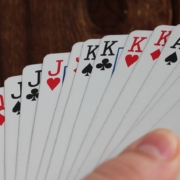
Mastering a professional poker strategy requires much more than just emotional control; it involves understanding the subtle nuances of the deck itself. While a poker face helps conceal your intentions, a truly advanced poker strategy incorporates the historical and cultural significance of the face cards—Kings, Queens, and Jacks—to better navigate the complexities of the game.

1. The King: A Symbol of Power

Historically, the King card represents authority and leadership. The Kings in playing cards are often depicted with various historical figures, such as:

  • King David (King of Hearts)
  • Alexander the Great (King of Spades)
  • Julius Caesar (King of Diamonds)
  • Charlemagne (King of Clubs)

Each of these figures was renowned for their power and influence, shedding light on how the Kings in decks symbolize control in the game.

2. The Queen: Feminine Strength and Influence

The Queen card represents strength, grace, and intelligence. The imagery of Queens in card decks often varies by region:

  • Queen of Hearts: Represents love and compassion.
  • Queen of Spades: Often associated with wisdom and bravery.
  • Queen of Diamonds: Embodies wealth and prosperity.
  • Queen of Clubs: Symbolizes friendship and loyalty.

These associations reflect how female figures throughout history have wielded power and influence.

3. The Jack: The Messenger

The Jack card serves as the bridge between the King and Queen, often viewed as the youthful and sometimes rebellious character in the deck. Historically, Jacks have symbolized:

  • Service to the monarchy
  • Adventure and exploration
  • The role of the messenger in medieval courts

The Jack brings youthful energy to the game, representing both opportunity and unpredictability.

The Cultural Impact of Face Cards

The cultural significance of face cards extends beyond their visual representation. They have been integrated into art, literature, and even psychology. The popular phrase “poker face,” referring to a stoic demeanor while playing, embodies a strategic approach at the gaming table.

4. Face Cards in Literature and Art

Playing cards have made appearances in various works of literature and art. Notable mentions include:

  • Lewis Carroll’s “Alice’s Adventures in Wonderland” (featuring playing card characters)
  • Pablo Picasso’s famous paintings, which often incorporate card motifs.

These examples highlight the influence of face cards within cultural narratives, symbolizing chance and choice.

5. The Psychology of the Poker Face

Maintaining a strong poker face can be crucial to bluffing in poker games. Research in psychology suggests that non-verbal cues can significantly impact how one is perceived during gameplay. This underscores the importance of emotional regulation and facial expressions, which can either conceal or reveal one’s intentions.

Global Variations in Card Design

The design and interpretation of face cards vary widely across cultures. In some countries, the King and other face cards might portray local historical figures or motifs. Here are several noteworthy variations:

  • French Decks: Popularized the modern format of playing cards.
  • Spanish Decks: Feature unique court cards like the “Sota” instead of the Jack.
  • Italian Decks: Include different suits such as swords and cups.

These variations showcase the diverse influences and adaptations of playing cards around the world.

Modern Usage of Face Cards in Poker

In modern poker, the role of face cards has evolved with the game. The value of face cards can shift based on the variant of the game being played, such as Texas Hold’em, Omaha, or Seven-Card Stud. Strategically, understanding how to leverage these cards can significantly impact gameplay outcomes.

6. Strategies Involving Face Cards

Understanding and employing strategies involving face cards can enhance your performance at the poker table:

  • Bluffing with Face Cards: Knowing when to feign strength can trick opponents.
  • Reading Other Players: Observing how opponents react to face cards can provide insights into their hand strength.
  • Card Counting: Recognizing which face cards are still in play can improve odds.

Conclusion: The Timeless Allure of Face Cards

The stories behind the iconic face cards continue to intrigue and inspire players worldwide. From their historical roots to their roles in contemporary poker, Kings, Queens, and Jacks embody an intricate blend of strategy, psychology, and culture. Understanding their significance not only enriches the gameplay but also connects players to the broader narrative of human history and culture.

Gambling Strategy: Casino Rescue Stories of Players Who Turned Their Luck Around

Gambling strategy
Image by geralt from Pixabay

Introduction

Casinos are often seen as places where fortunes can change at any moment. While luck dictates much of the outcome, players often rely on a sound gambling strategy to navigate these unpredictable environments. This article shares remarkable rescue stories of players who turned their luck around, illustrating the resilience of the human spirit and the unpredictability of gambling.

The Power of a Fresh Start

Many players find that a change of strategy or environment can reinvigorate their gameplay. Here are a few notable stories:

1. From Rock Bottom to Riches

Take the story of Mark, a former truck driver who lost everything to gambling. After hitting rock bottom, he decided to relocate to a different state, which prompted him to reassess his gambling habits. He began attending weekly support groups and focused on games with better odds, like blackjack. With discipline and a new strategy, he eventually turned his losses into six-figure wins.

2. The Lucky Break

Jennifer, an avid poker player, was down to her last $100 during a tournament. Rather than giving up, she decided to play aggressively. With some shrewd bluffs and timely hands, Jennifer not only survived that match but went on to win the tournament, leading to a successful poker career.

The Influence of Strategy and Skill

Strategies can play a pivotal role in turning around a player’s fortune. Here are a couple of examples:

3. The Card Counter

Tom, a professional gambler, faced a streak of poor results due to overconfidence in his gameplay. Realizing he relied too heavily on luck, he returned to the basics of card counting in blackjack. By honing his skills and maintaining a strict bankroll management system, Tom not only salvaged his funds but started a profitable winning streak.

4. Embracing the Learning Curve

After Sarah lost substantial money playing slots, she decided to switch to table games where skill plays a larger role. She took the time to study game strategies and even practiced online. Her newfound knowledge transformed her gaming experience, leading to consistent wins.

Community and Support

Having a support system can greatly impact a player’s journey back to success.

5. Support Groups Make a Difference

Dr. James is a therapist who guides players through their gambling problems. His experience with clients who have successfully turned their luck around reinforces the idea that community support is essential. Many players attribute their recovery and triumphant returns to their involvement in support groups.

6. Sharing Success Stories

Players who share their experiences can inspire others. Local casinos sometimes hold events where successful players return to recount their stories, fostering a sense of community and motivation.

Setting New Goals

Revising your goals is crucial for sustained success in the casino environment.

7. Short-Term vs. Long-Term Goals

Successful players often shift their focus from immediate wins to long-term happiness and financial stability. Creating SMART (Specific, Measurable, Achievable, Relevant, Time-bound) goals can lead to measurable success.

8. The Importance of Rest and Repair

Taking breaks to reassess one’s mental health and gaming strategy can turn around a player’s fortune. Many players have found that stepping back when feelings of frustration arise leads to better decision-making upon return.

Conclusion: The Continuing Journey

Every player’s journey through the world of gambling is unique, filled with trials and triumphs. These casino rescue stories exemplify resilience and the transformative power of strategy and support. Whether through personal changes, community engagement, or setting new goals, players can and do turn their luck around.

Further Reading

For additional insights into responsible gambling and player stories, consider exploring resources like National Council on Problem Gambling or Gamblers Anonymous.

Debunking Casino Myths: Essential Knowledge for Successful Gambling Strategy

Gambling strategy
Image by englishlikeanative from Pixabay

Introduction

The world of casinos is rife with myths and misconceptions that can mislead players and fans alike. This article aims to debunk some of the most popular casino myths, providing clarity and insight into how gambling truly works, including the fundamentals of a successful gambling strategy. Understanding these myths is essential for every casino-goer, whether you’re a novice or a seasoned gambler.

Myth 1: The House Always Has a Fixed Advantage

One of the most commonly held beliefs is that the house always maintains a fixed advantage in games of chance. While it’s true that most casino games are designed with a house edge, this advantage varies from game to game. For example, blackjack has one of the lowest house edges compared to slots, which can have a significantly higher edge. Understanding these differences is key to smart gambling.

Myth 2: Slot Machines Are Rigged

Another pervasive myth is that slot machines are rigged against players or that they can be manipulated through techniques or timing. In reality, slot machines operate on Random Number Generators (RNGs), ensuring that each spin is entirely independent of the last. This means that no amount of strategy can alter the outcome. For more information on how slot machines operate, you can visit this page.

Myth 3: You Can Beat the Casino with Card Counting

Card counting is a popular technique associated with blackjack, leading many to believe that it guarantees a win. While card counting can provide a player with a slight edge, it is not as effective for casual players. Casinos are well aware of card counting strategies and often take measures to counter them. This means that the perceived advantage may not be as significant as many think. To read more about card counting, check out this article.

Myth 4: Betting on the Other Color in Roulette Guarantees a Win

Many players believe that if they bet on red and lose, they should immediately bet on black for a guaranteed win. This misconception is rooted in the gambler’s fallacy, where individuals think past events will influence future outcomes. Each spin of the roulette wheel is independent, and the odds remain the same regardless of previous outcomes. For more on this phenomenon, visit this article.

Myth 5: Electronic Game Outcomes Can Be Predicted

Some players believe they can predict the outcomes of electronic table games or slots based on past results. This is another myth, as these games use RNGs for their results, making predictions impossible. Strategies might help manage bankrolls, but they cannot guarantee wins. For a deeper understanding of RNGs, visit this article.

Myth 6: All Casino Games Are Based on Luck

While luck plays a significant role in many casino games, it is not the only factor at play. Games like poker combine elements of skill and strategy with chance. Understanding odds, probabilities, and strategies can significantly improve your outcomes over time. Players are encouraged to learn strategies and improve their skills especially in games that reward it. For more on poker strategies, refer to this guide.

Myth 7: You Can Win Big by Sticking to the Same Betting Strategy

Many players fall into the trap of believing that a consistent betting strategy, such as increasing bets after wins, will ensure a profit. While certain strategies can manage bankrolls better, they do not change the house edge or guarantee wins. A sound understanding of risk management is essential, acknowledging that there will always be fluctuations in results.

Conclusion

Understanding the truth behind these popular casino myths is vital for anyone looking to enjoy gambling responsibly. Armed with knowledge, players can make informed decisions that enhance their overall experience. Remember, while chance is a factor, developing skills in games like poker and understanding the mechanics of slots and table games can help you navigate the exciting world of casinos more effectively.

Uploaded via WPAPI

Mastering Bankroll Management: How Stake Distribution and Math Affect Your Bets | 10BET

Understanding Stake Distribution: How Math Affects Your Bets

In the world of gambling and betting, the foundation of long-term success lies in disciplined bankroll management. This discipline goes far beyond simply having funds available; it focuses on the strategic concept of stake distribution, which refers to how much money you allocate to each bet in proportion to your total capital. This article delves into the mathematical principles behind effective stake distribution, helping you understand how masterful bankroll management can significantly protect your funds and improve your overall betting results.

The Importance of Stake Distribution

Stake distribution is crucial for managing your bankroll effectively and minimizing risks. Properly distributing your stakes ensures:

  • Minimized risk of losing your entire bankroll.
  • Improved chances of achieving consistent profits.
  • Better control over emotional and impulsive betting decisions.

Understanding Bankroll Management

Before diving into stake distribution, a clear understanding of bankroll management is essential. Bankroll management is the process of managing your gambling funds. It involves deciding how much to bet relative to your total bankroll, ensuring you do not wager more than you can afford to lose.

Types of Stake Distribution Strategies

There are several methods of stake distribution that bettors can employ based on their risk tolerance and betting style. Here are some common strategies:

  • Fixed Stake: Betting a constant amount regardless of bankroll fluctuations.
  • Percentage Stake: Betting a specific percentage of your bankroll. For instance, betting 2% of your total bankroll on each wager.
  • Variable Stake: Adjusting your stakes based on confidence levels or the perceived value of a bet.

The Kelly Criterion

The Kelly Criterion is a mathematical formula used to determine the optimal size of a series of bets. It takes into account your odds of winning and your estimation of an event’s probability. Here’s how it works:

  • Calculate your winning probability (p).
  • Calculate the odds (b) offered on the bet.
  • Apply the formula: f* = (bp – q) / b where q is the probability of losing (1 – p).

The result indicates the fraction of your bankroll you should wager on that bet.

Examples of Stake Distribution in Practice

Let’s look at a practical example to illustrate different stake distribution methods:

  • **Fixed Stake**: You have $1,000 and bet $50 on each wager. You can withstand 20 losing bets before exhausting your bankroll.
  • **Percentage Stake**: With a 2% strategy, your initial bet would be $20. If your bankroll grows to $1,200, your next bet would be $24.
  • **Kelly Criterion**: If you estimate a 60% chance of winning a bet at even odds, using the Kelly Formula would suggest wagering approximately 12% of your bankroll.

Common Mistakes to Avoid

When distributing stakes, it’s easy to make errors that can jeopardize your bankroll. Here are some common pitfalls to avoid:

  • Betting too much of your bankroll on a single bet.
  • Failing to adjust your stakes as your bankroll grows or shrinks.
  • Letting emotions dictate your stake size rather than sticking to a systematic approach.

The Psychological Aspect of Stake Distribution

Your psychology plays a crucial role in stake distribution. High-stakes betting can lead to stress and poor decision-making. Understanding your emotional triggers can help in maintaining a disciplined approach. Techniques for managing your emotions include:

  • Setting strict limits on spending.
  • Taking breaks when feeling frustrated.
  • Being aware of your betting patterns and biases.

Conclusion

Understanding stake distribution is not just about mathematical calculations; it’s about adopting a strategic mindset toward betting. By applying effective stake distribution strategies, managing your bankroll, and keeping the psychological aspects in check, you can improve your chances of long-term profitability in betting.

Further Reading

To expand your knowledge on bankroll management and betting strategies, consider these resources:

Uploaded via WPAPI

Understanding Tournament Structure: How to Play Online Poker Tournaments

Introduction

Online poker tournaments have gained immense popularity, offering players a chance to compete for large prize pools while testing their skills against a diverse range of opponents. Understanding tournament structure is crucial for developing effective strategies and maximizing your chances of success. In this article, we will explore the fundamental aspects of online poker tournaments, from different formats to popular strategies.

1. Types of Online Poker Tournaments

Online poker tournaments come in various formats, each with its unique characteristics. The primary types include:

  • Freezeout Tournaments: Players are eliminated once they lose all their chips. There’s no option to re-enter.
  • Rebuy Tournaments: Players can buy back into the tournament after losing all their chips within a certain period.
  • Add-on Tournaments: After a specified level, players can add chips to their starting stack, enhancing their chances of progressing.
  • Multi-table Tournaments (MTTs): These tournaments feature various tables with multiple players, often leading to a final table where the top players compete for the win.
  • Sit and Go Tournaments: These are smaller, usually single-table tournaments that begin as soon as the required number of players has registered.

2. Tournament Structure and Blind Levels

The structure of a poker tournament is defined by the blind levels, which escalate at predetermined intervals. Understanding how blind levels work can significantly influence your strategy:

  • Early Levels: Typically characterized by low blinds, allowing for a more strategic and cautious approach.
  • Middle Levels: Players must adapt their strategies as blinds increase, often leading to more aggressive play.
  • Late Levels and Final Table: High blinds force players to take more risks, making the late stages more about aggression and opportunism.

3. Understanding Chip Management

Effective chip management is vital in tournaments. Here are some key strategies:

  • Stack Size Awareness: Monitor your stack size relative to the blinds and other players—this influences your play style.
  • Pushing and Calling Ranges: Adjust your ranges based on stack dynamics. A larger stack can apply pressure, forcing smaller stacks to make tough decisions.
  • Preserve Your Chips: In tournaments, survival is often more critical than aggression. Choose your spots wisely.

4. The Importance of Position

Position at the table significantly impacts decision-making in tournaments:

  • Early Position: Requires tighter play due to the number of players acting after you.
  • Middle Position: Allows for more flexibility and wider hand ranges.
  • Late Position: Provides a strategic advantage, offering the ability to act last and gather information on opponents’ actions.

5. Adjusting to Opponents

Recognizing and adjusting to your opponents’ playing styles is key to tournament success. Pay attention to their tendencies:

  • Aggressive Players: Consider tighter strategies, but also look for opportunities to trap.
  • Passive Players: Take advantage of their caution by betting more aggressively.
  • Bluffing Patterns: Identify players who over-bluff and adjust your reactions accordingly.

6. Utilizing Tournament Strategy Models

There are several strategic frameworks you can adopt:

  • ICM (Independent Chip Model): Focuses on the value of chips in relation to payout structures, essential for final table decisions.
  • Push/Fold Strategy: Especially vital in shorter stack situations, knowing when to go all-in or fold can be game-changing.
  • Risk vs. Reward Analysis: Always assess the potential risk of a play against the rewards it could bring, particularly in high-stakes scenarios.

7. The Role of Patience and Discipline

Success in poker tournaments often boils down to patience and discipline:

  • Waiting for Premium Hands: In the early stages, it’s often best to wait for strong hands to build your stack.
  • Knowing When to Fold: Letting go of weak hands can save chips for better opportunities.
  • Staying Focused: Avoid distractions during play, as maintaining concentration can result in better decision-making.

8. Adapting to Changing Dynamics

Tournament dynamics change quickly. Adaptability is crucial:

  • Recognizing Player Tendencies: Players will change strategies based on their chip status and the tournament stage.
  • Adjusting Your Strategy: Be prepared to shift your approach based on the changing landscape of the tournament.

Conclusion

Understanding the structures and strategies of online poker tournaments is vital for any aspiring player. By mastering tournament formats, managing chips wisely, and adjusting to your opponents, you can significantly improve your chances of success. Remember, each tournament is unique, and adaptability is the key to thriving in this dynamic form of poker. For further reading on poker strategies and tournament play, check out PokerStrategy.