


How Behavioral Economics Shapes Gambling Behavior in Casino Gaming | 10BET
Introduction
Behavioral economics offers a fascinating lens through which we can merge psychology with economic theory to understand the underlying drivers of complex financial decisions. When applied to the high-stakes environment of a casino, these principles become essential for analyzing the intricacies of gambling behavior, providing profound insights into why individuals make specific risks and how patterns of addiction emerge. By examining these cognitive biases, we can better understand both the motivations of the player and the sophisticated strategies used by establishments to influence engagement. This article delves into various aspects of behavioral economics as they relate to the mechanics of gambling behavior and casino gaming.
1. The Role of Cognitive Biases in Gambling
Cognitive biases significantly influence how players perceive poker, slots, and other games. Common biases include:
- Gambler’s Fallacy: The belief that past events affect future outcomes, leading players to think that if a game hasn’t hit a jackpot recently, it’s due.
- Loss Aversion: The tendency to prefer avoiding losses rather than obtaining equivalent gains, causing players to chase losses in hopes of breaking even.
- Overconfidence: Many players overestimate their skills or chances of winning, especially in skill-based games like poker.
Understanding these biases helps casinos frame their offerings to maximize engagement. For further reading, explore Psychology Today on cognitive biases.
2. The Illusion of Control
One notable aspect of behavioral economics in gaming is the illusion of control, where players believe they can influence the outcome of random games, such as slots. This belief drives continued play and increases gambling intensity, creating a cycle of risk. Learn more about it at Simply Psychology.
3. The Impact of Marketing Strategies
Casinos employ various marketing techniques based on behavioral economics principles:
- Use of free credits and bonuses to lower barriers to entry.
- Implementing loyalty programs that encourage frequent visits and increased spending.
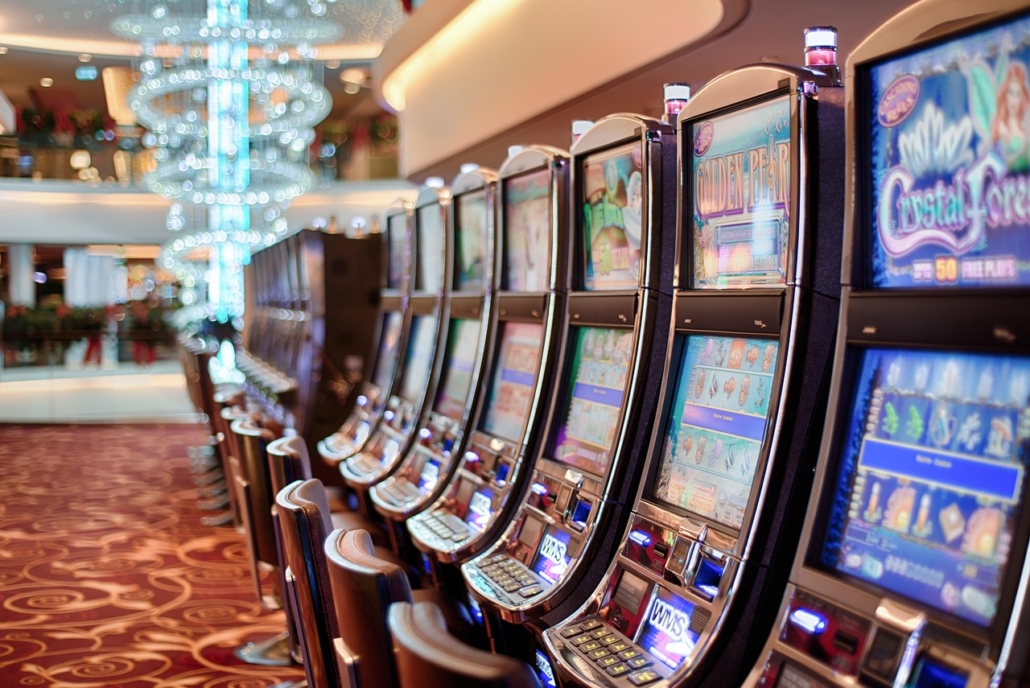
- Creating vivid and immersive environments that enhance the gambling experience.
These strategies leverage psychological triggers that motivate players, discussed in detail at Harvard Business Review.
4. The Sunk Cost Fallacy
In gambling, players often experience the sunk cost fallacy, where past investments in a game lead them to continue playing, even when it’s clear that they should stop. This behavioral tendency can lead to greater financial losses. More information on this fallacy can be found at Investopedia.
5. The Role of Emotional Decision-Making
Emotions play a significant role in gambling behavior. Players often make impulsive decisions based on excitement or frustration rather than rational calculations. Emotional triggers can include:
- The thrill of a near-miss.
- Social interactions and group dynamics within gaming environments.
- Personal feelings of luck or superstition.
Research by the American Psychological Association highlights the importance of understanding emotional decision-making in gambling.
6. Time Perception and Gambling
Gambling environments are designed to distort time perception, making players lose track of how long they’ve been playing. This phenomenon can lead to extended gaming sessions and increased spending. Understanding this manipulation can be beneficial for players aiming to manage their gambling habits, as outlined in this article by NCBI.
7. The Power of Social Proof in Casinos
Social proof, or the idea that people will follow the actions of others, is prevalent in casinos. Crowds around a table can attract more players, reinforcing the idea of winning through shared experiences. This is often used in marketing efforts and game design to create a buzz around certain games.
8. The Paradox of Choice
While having options is generally seen as positive, too many choices can lead to anxiety and poor decision-making in gambling. Casinos balance game variety with the ease of decision-making, often curating choices to encourage play. This concept is further explained by The Guardian.
Conclusion
Understanding behavioral economics provides crucial insights into casino gaming dynamics. Players can become more aware of their biases and decision-making processes, leading to more responsible gambling habits. Casinos, in turn, can refine their strategies to foster a more enjoyable yet profitable gaming environment. By recognizing these principles, both players and casinos can enhance their experiences.