
Uploaded via WPAPI

Mississippi Gulf Coast Casino Development Gains Momentum Following Tidelands Legal Victory | 10BET

Mississippi Gulf Coast Casino Development Advances Following Major Tidelands Legal Victory

  • Mississippi tidelands on private property aren’t owned by the state, another court ruling has found
  • Tidelands are lands covered and uncovered daily by tidal water
  • The latest court ruling could allow new casinos to come to Biloxi

State judges in Mississippi have issued a landmark ruling upholding that Gulf Coast casinos retain ownership of the local tidelands attached to their properties. This decision serves as a massive victory for the gaming sector, providing the legal certainty necessary to fuel large-scale casino development and long-term infrastructure growth. By securing these coastal land rights, the ruling clears a path for ambitious new expansions and sophisticated casino development projects throughout the Biloxi region.
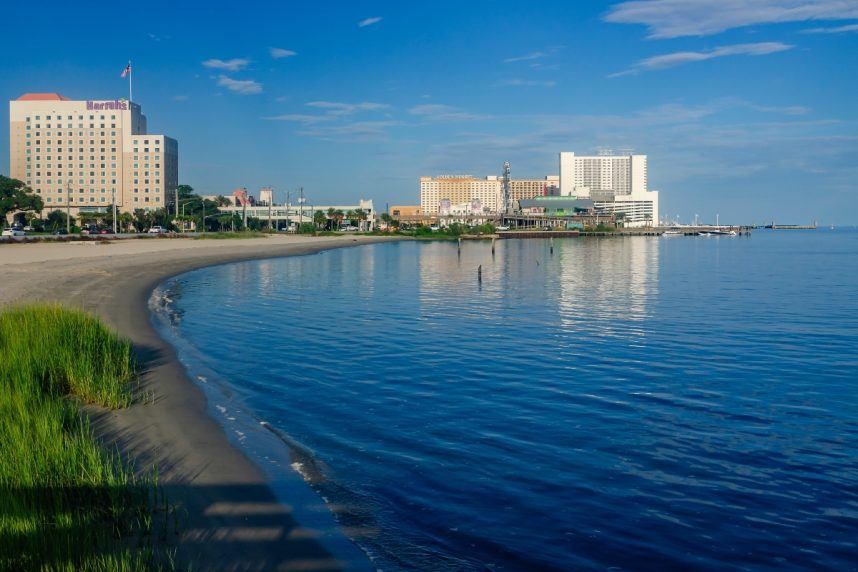
Mississippi Gulf Coast casinos tidelands lease
The Biloxi Gulf Coast where casinos have recently won significant legal disputes regarding tidelands leases.

Last Friday, Harrison Chancery Court Judge Jim Persons ruled in favour of Harrah’s Gulf Coast Hotel & Casino Biloxi in a dispute with Mississippi Secretary of State Michael Watson. The ruling determined that a parcel of waterfront land measuring approximately 1.5 acres on Biloxi Bay is entirely owned by the casino.

Watson argued that the tideland property was state-controlled, claiming it originated from the 1784 Spanish Land Grant when Mississippi was established. However, Judge Persons referenced the Mississippi Supreme Court’s March 2023 opinion, which clearly stated that the state cannot claim tidelands that are a part of private property lots.

Key Impacts of the Rulings

The rulings passed by the Mississippi Supreme Court and Judge Persons have significant implications for both existing casinos and potential new developments. Here’s an overview of the effect of these legal outcomes:

  • Proposed casino developments can now apply for state-issued gaming licences through the Mississippi Gaming Commission (MGC).
  • Public pressure has been aimed at Watson for attempting to restrict new casino constructions in response to lobbying from current casinos that assert that Biloxi has reached its capacity for gaming establishments.
  • In the aftermath of Hurricane Katrina, state legislation allowed casinos to build inland structures that are within 800 feet of the historic high tide line.

Despite ceasing to use shoreland, casinos have been obliged to make payments for tideland leases to the state. Harrah’s allocated approximately $700K to the Tidelands Trust Fund Program in the prior year, which was established to harmonise public and private interests concerning tidelands use.

Future Casino Proposals

Recent decisions have opened the doors for several new casino projects. Notably, last December, the MGC approved the application for the Tullis Garden Hotel and Casino, proposed by Tennessee businessman Israel Schwartz. This project features:

  • An 11-story hotel with 300 rooms
  • 900 slot machines
  • 35 table games
  • A sportsbook

The proposed site will also include a full-scale replica of the Tullis-Toledano Manor, a historic Greek Revival mansion lost to Hurricane Katrina.

Nearby, developer Danny Conwill aims to erect a 1,300-room hotel and casino with a greater number of slots and tables, alongside another sportsbook. The city has consented to a tidelands lease, provided Conwill includes a public, accessible pier in his plans.

Another 5 miles along the Gulf, Ray Wooldridge has proposed a casino project at the Big Play Entertainment Center, which likewise includes stipulations to build a local pier.

Conclusion

As the Mississippi Gulf Coast continues to develop its casino landscape rapidly, the recent legal rulings have set a precedent for further growth in the industry. The endorsement of local ownership of tidelands not only benefits current operators but also opens the field for new entrants in the market, promising exhilarating prospects for locals and tourists alike.

With ongoing developments and potential expansions, the Mississippi Gulf Coast is poised to remain a vibrant hub for gaming enthusiasts.
Uploaded via WPAPI

Casino Operator Century Casinos Announces Plans for Stock Buyback

Casino Operator Century Casinos Announces Strategic Stock Buyback Plans

In a significant move reflecting investor confidence, regional casino operator Century Casinos (NASDAQ: CNTY) has announced its intention to initiate a stock repurchase program in the coming weeks, potentially amounting to millions of dollars.

Overview of the Buyback Plan

  • Initiation: The buyback program is expected to commence shortly, as noted by Co-CEO Peter Hoetzinger.
  • Financial Implications: The value of the repurchase is anticipated to be in the single-digit millions, although the exact amount has not been disclosed.
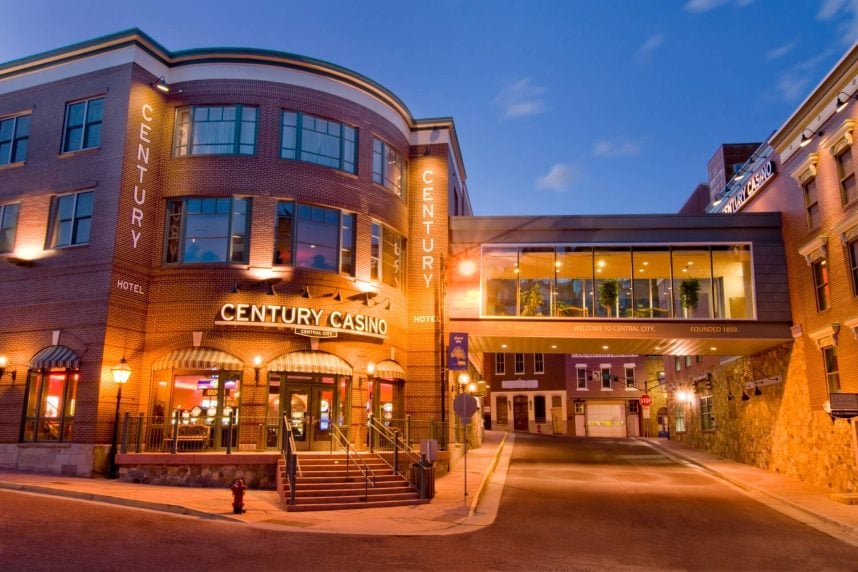
Century Casino
The Century Casino in Central City, Colo. The company said it will buy back stock. (Image: Century Casinos)

Hoetzinger emphasized on the gaming company’s earnings call that despite the current market uncertainties, he believes CNTY is positioned as the best casino investment with substantial growth potential. This cautious optimism indicates a strategic approach towards securing the company’s financial future.

Market Context for the Buyback

The decision to buy back shares is often viewed positively as it signals to investors that the company’s management has faith in its business model and growth prospects. Century Casinos has seen its stock price decline sharply, down 52.12% over the past 90 days, leading to speculation that the company will be able to buy its shares back at favorable prices. This reflects a key principle in stock repurchases—executives typically aim to avoid purchasing at inflated prices.

Hoetzinger stated, “We anticipate to initiate this buyback between now and our next earnings release in early August,” confirming the company’s readiness to leverage cash reserves for this initiative. As of the first quarter, Century Casinos holds approximately $85 million in cash and cash equivalents, providing ample opportunity for this financial strategy.

Potential Impact of the Buyback

  • Reduction of Outstanding Shares: Any amount the company decides to spend on repurchasing its shares will decrease the total shares available on the market, potentially driving up the stock price.
  • Investor Sentiment: This buyback can improve public perception, reassuring investors that management is taking proactive steps to stabilize and enhance shareholder value.

Future Considerations

In addition to the stock buyback, Century Casinos is also exploring the sale of its two-thirds interest in Casinos Poland, which has been impacted due to geopolitical tensions stemming from Russia’s invasion of Ukraine. New parties have emerged expressing interest, suggesting a potential positive outcome for divestment efforts.

“While we are dedicated to divesting our Poland operations, we are currently in discussions with two newly interested parties and our minority partner regarding a complete sale,” said Hoetzinger. This could open up additional avenues for capital, further improving the company’s financial position.

Conclusion

With the impending stock buyback program, Century Casinos is taking a bold step to enhance its market value and investor faith in its operations. As they navigate the complexities of the gaming industry, their strategic financial decisions may shape the company’s future significantly.

Overall, Century Casinos is poised for potential growth and stability amidst the fluctuating market landscape, positioning itself for a successful future in the competitive gaming sector.

Why the Betr Acquisition Bid Revolutionizes Sports Betting: Analyzing PointsBets Superior Strategy and Its Impact on Canadian Operations | 10BET

Business deals
Image by TheDigitalArtist from Pixabay

PointsBet’s Strategic Move in Sports Betting: How the Betr Acquisition Bid Could Reshape the Canadian Market

The landscape of the gaming industry is shifting rapidly, and PointsBet’s sale of its Canadian operation to Hard Rock Digital marks a pivotal moment for the future of sports betting in the region. This significant business deal brings a new powerhouse into the market, bringing the excitement of high-stakes wagering and enhanced sports betting options one step closer to reality today.

Betr Proposal “Superior”

In a recent statement, the PointsBet board expressed their belief that the acquisition bid from Betr Entertainment Ltd. “could reasonably be expected to lead to a Superior Proposal” compared to the competing bid from Japanese company MIXI Inc.

The company is now moving forward with a mutual due diligence assessment with Betr, a customary procedure in such transactions. This initial phase will focus on both the value of synergies and the equity aspect of the proposal, with the understanding that the valuation for shareholders will heavily depend on these factors, given that the proposal contemplates a 57% cash and 43% scrip funding mix.

Due Diligence Period Ahead

In Australia, the term ‘scrip’ typically refers to shares issued by a company instead of cash.

While this announcement seems to favour Betr, the board’s stance regarding MIXI’s bid remains resilient. The PointsBet Board is dedicated to recommending that PointsBet shareholders vote in favour of the MIXI scheme as long as no Superior Proposal arises and continues to be supported by the Independent Expert’s conclusions.

Betr currently holds a 19.9% share in PointsBet, making it the largest shareholder. Following a merger with BlueBet Holdings in July 2024, the company adopted the Betr brand to bolster its position in the market.

Deal in Place to Sell PointsBet Canada

The board of PointsBet previously indicated acceptance of a $220 million USD takeover bid from MIXI in February, initially expressing concerns about the level of debt reliance in Betr’s plans.

Recent reports suggest that Betr has sharpened its bid from February to a total of AU $360 million (approx. USD $229.2 million), integrating a mix of cash and shares. In comparison, MIXI’s proposal stood at AU $350 million in April.

A significant portion of Betr’s latest bid entails the sale of PointsBet Canada, with Hard Rock being the prospective buyer. A release dated April 29 mentioned a “non-binding proposal” from Seminole Hard Rock Digital, LLC to acquire relevant assets relating to PointsBet’s Canadian operations, subject to various conditions.

Hard Rock intends to pay Betr USD $29.6 million for PointsBet Canada, contingent on the fulfillment of the Betr deal in Australia.

Industry insiders have reported that Hard Rock is preparing to apply for an iGaming licence through the Alcohol and Gaming Commission of Ontario. However, representatives from the AGCO confirmed that they had yet to receive any application for registration from Hard Rock Digital.

When approached for comments, a representative for PointsBet Canada declined to provide a statement.

In summary, the dynamics surrounding the acquisition of PointsBet Canada are evolving, with the interest from Betr potentially reshaping the competitive landscape in the Canadian gaming market. As developments unfold, stakeholders will be closely monitoring the outcomes of the due diligence assessments and the strategic directions of both Betr and PointsBet.

UKB Signs Oklahoma Gaming Compact, Eyes Return to Tribal Gaming Market

UKB Signs Oklahoma Gaming Compact, Eyes Return to Tribal Gaming Market

  • UKB signs Model Tribal Gaming Compact with Oklahoma state
  • UKB’s previous casino operation was shut down in 2013 due to legal issues
  • Cherokee Nation remains opposed

After a lengthy closure of twelve years, the United Keetoowah Band of Cherokee Indians (UKB) is on the verge of re-entering tribal gaming. The UKB’s original casino, the Keetoowah Cherokee Casino in Tahlequah, Oklahoma, was closed in 2013 due to legal concerns.

Casino signage
Image by zikiline from Pixabay

The UKB announced that it signed a Model Tribal Gaming Compact with the state of Oklahoma, following the federal approval of its updated gaming code. This compact is currently pending final approval from the Department of the Interior (DOI), allowing UKB to operate Class III gaming on its trust land. This represents a significant resolution to a longstanding dispute with the Cherokee Nation, which is the largest tribal government in Oklahoma.

Cherokee Spat

Despite both tribes claiming heritage from the historic Cherokee people, tensions have often arisen over territorial sovereignty. The Cherokee Nation has consistently asserted that it has exclusive rights to the lands associated with the Cherokee lineage, leveraging this to challenge the UKB’s past casino operations.

  • The Cherokee Nation operates ten casinos across northeastern Oklahoma.
  • The UKB’s initial casino commenced operations in 1986, even without trust land, primarily offering Class II gaming.

Legal Histories

In 2013, due to a lawsuit from the Cherokee Nation, along with pressure from federal and state regulators, the UKB’s casino was forced to close. A key point in the dispute was the UKB’s lack of federally recognized trust land, a requisite for tribal gaming under the Indian Gaming Regulatory Act (IGRA).

However, progress for the UKB began in 2011 when the DOI accepted a 76-acre parcel of land into trust for the tribe. This decision faced legal challenges from the Cherokee Nation but was eventually upheld by the Tenth Circuit Court of Appeals in 2019.

Significant momentum was gained when, in January 2025, the DOI issued a legal opinion endorsing that the UKB is a legitimate successor to the historical Cherokee Nation, reinstating its sovereign status and paving the way for gaming development.

‘Years of Determination’

According to UKB Chief Jeff Wacoche, “This agreement reflects years of determination and marks a significant moment for the Keetoowah people. It’s more than just a business endeavor; it’s about restoring self-determination, creating jobs, and fostering financial prosperity for our communities. We’re laying down the legal and economic foundations for our future.”

The tribe signaled they’re engaged in development planning and will proceed with caution and transparency.

Ongoing Disputes with the Cherokee Nation

Despite the DOI’s supportive opinion, the Cherokee Nation stands firm on its claim of sovereignty over the lands in question. Attorney General Chad Harsha stated,

“The United Keetoowah Band of Cherokee Indians lacks jurisdiction over the Cherokee Nation Reservation. Previous attempts by the UKB to operate a casino were illegal and did not comply with federal law.”

Likewise, he emphasized that the UKB’s adjustments to their old gaming laws do not grant them any authority over operations within Cherokee Nation Territories.

Conclusion

The UKB is a prime example of the complex dynamics in tribal gaming and sovereignty interactions in the United States. As they aim to reopen their casino, the UKB navigates legal battles and community sentiments, setting a precedent that could impact future tribal gaming initiatives.

This situation underlines the importance of understanding the legal frameworks and relationships between different tribes in the gaming landscape. As the UKB’s case evolves, it will undoubtedly be a crucial point of interest for those monitoring the progression of tribal gaming regulations across the country.

How New FTC Rules on Resort Fees Impact Your Next Stay at Casino Resorts | 10BET

New FTC Rules: Casino Resorts Must Now Include All Resort Fees in Upfront Rates

Beginning May 12, 2025, a significant regulatory shift will change how travelers book their stays at premier casino resorts and other short-term accommodation providers. Under this new mandate, these establishments are required to include all mandatory charges—such as resort fees—within their upfront advertised rates, excluding only taxes. This rule is designed to bring much-needed transparency to the industry, protecting guests from the hidden fees that have frequently caused frustration when visiting luxury casino resorts.

Key Points of the New FTC Rule

  • Mandatory Fees Inclusion: Hotels must include all mandatory fees in the price that is prominently advertised.
  • Resort Fees Common: Many casino hotels charge resort fees, which can significantly increase the total cost of a stay.
  • Upfront Charges: The new rules do not compel hotels to abolish resort fees but instead require that these fees be included in the visible price before booking.
Hotel check-in
Image by megaplus from Pixabay

In December, the Federal Trade Commission (FTC) introduced its “Junk Fees Rule” targeting misleading pricing tactics that have plagued the hospitality industry. This regulation combats “bait-and-switch” pricing methods where customers are lured in by low initial rates, only to discover significant additional costs during the checkout process, such as resort fees, facility fees, and applicable destination fees.

This rule, formally known as the Trade Regulation Rule on Unfair or Deceptive Fees, covers not only hotel rooms but also live event tickets. It focuses on thwarting pricing tactics intended to conceal total costs by omitting mandatory fees from advertised prices. Effective immediately, all hotels must comply with this regulation.

According to the FTC, “The Rule bans bait-and-switch pricing and dishonest tactics that mislead customers about fees in the hotel and ticketing industries. These misleading practices harm consumers and undercut honest businesses.”

Casinos Adapting to the New Rules

Following the announcement of the FTC regulations, many major hotel chains, including MGM Resorts and Caesars Entertainment, have already begun updating their booking systems to reflect these changes. For instance:

  • For a stay on June 13 at Caesars Palace, the nightly rate advertised is $243 before taxes. Previously, the lower advertised rate was $188, but the resort fee of $55 will now be explicitly included in that price.

While taxes and governmental charges still have exemptions from inclusion in the total price, any charges for optional amenities and services must be reported as part of the booking total when requested by a consumer.

A business can exclude optional fees from the total price unless the consumer has requested these additional services, in which case all charges must be communicated up front before final payment is required, stated the FTC.

The FTC is dedicated to safeguarding the public from deceitful business practices and maintaining fair competition among businesses.

Consumer Response

Consumer groups have welcomed this regulation. Lauren Wolfe, who founded the Kill Resort Fees campaign and serves as legal counsel for Travelers United, stated that the FTC’s order empowers consumers to make more informed choices when booking hotels.

Violating the FTC regulations could lead to penalties exceeding $50,000 for non-compliant hotels.

Summary

In summary, the new FTC regulations require all casinos and hotel operators to include mandatory fees in their advertised rates to enhance transparency and consumer rights. By implementing these changes, the FTC aims to protect consumers better and promote fair pricing practices across the hospitality industry.

Lottery Games Strategy: How Mega Millions Wins Are Driving an Increase in Non-Jackpot Prizes | 10BET

Experience the Thrill of Big Wins with Our Exciting Lottery Games

As the landscape of chance evolves, Mega Millions has turned some heads with its bold move to raise the ticket price to $5, effective April 8, 2025. This shift has sparked intense debate among jackpot hunters and enthusiasts of various lottery games, who are now weighing the increased cost against the potential rewards. While the price hike has stirred the pot, it has also led to considerable benefits for players winning non-jackpot prizes, highlighting the diverse and exciting range of outcomes found within the world of lottery wins.

Significant Improvements in Prize Distribution

  • Total non-jackpot prizes won since April 8: $51.3 million
  • Previous non-jackpot prize total (at $2 ticket price): $12.5 million
  • Percentage increase in non-jackpot winnings: 308%
  • Approximate number of players who have won prizes since the change: 1.89 million

Since the price hike, players have reported winnings far exceeding expectations, with Mega Millions announcing that players have collectively garnered more than $51.3 million in non-jackpot level prizes. Prior to this price adjustment, the same number of players would have split just $12.5 million. This remarkable change is generating excitement among players.

Lottery
Image by gouv from Pixabay

Automatic Multipliers: A Game Changer

With every $5 ticket, players will automatically trigger a multiplier, which significantly boosts their potential winnings:

  • Winners can now see a multiplier of 2X, 3X, up to 10X on their prize amounts.
  • The minimum prize for matching just the Mega Ball has risen from $2 to $10.
  • The previous optional Megaplier for an extra dollar has been eliminated, integrating the multiplier directly into the base ticket price.

This shift eliminates the frustration of break-even prizes, where a player would win back only their ticket cost for matching minimal criteria.

Updated Odds of Winning

The recent updates also refine the odds of winning:

  • Jackpot odds improved from roughly 1 in 302.5 million to about 1 in 290.5 million.
  • Players have a 1 in 35 chance of matching only the Mega Ball.
  • The 10X multiplier could return a $50 payout for your $5 bet.

Joshua Johnston, the lead director of Mega Millions, expressed enthusiasm about the players’ reactions, highlighting how they are learning to appreciate the new game dynamics. “The more they see their winnings multiply, the more they’re understanding the value of the new game and why we made the changes we did,” he stated.

Faster Growing Jackpots

In addition to enhancing non-jackpot prizes, the game has also improved jackpot growth. Under the new rules, the jackpot resets to $50 million, rather than $10 million, once hit. This is a significant shift allowing for much faster growth of the jackpot.

  • Current estimated jackpot: $100 million.
  • Cash option available is around $49.4 million.

The industry remains optimistic as Mega Millions continues to ascend with its revamped mechanics, ensuring players are rewarded generously within this updated format.

Conclusion

The Mega Millions overhaul has ushered in a wave of optimism among players, transforming their competitional landscape. With higher ticket prices, better odds, and automatic multipliers, players are embracing this opportunity for larger winnings—proving to be an exciting time for the iconic game.

Super Group Set to Revolutionize the Alberta Online iGaming Market | 10BET

Super Group Ready to Dominate the Alberta Online iGaming Market

As the landscape of digital entertainment evolves, Super Group Ltd., the powerhouse behind the Betway sportsbook, is strategically positioning itself to dominate the expanding online iGaming sector in Alberta. With a launch anticipated in Q1 2026, the company aims to transplant its proven operational expertise from Ontario to this new regulated market. This move is designed to accelerate Super Group’s growth and solidify its leadership within the rapidly accelerating Canadian online iGaming industry.

Key Highlights from Super Group’s Recent Investor Call

  • Market Growth: The company reported a 13% year-over-year increase in the Canadian market as of Q1 2025.
  • Regulatory Preparedness: Super Group is waiting for final regulatory approvals in Alberta, with a robust product development underway.
  • Financial Performance: For Q1 2025, Super Group achieved a total revenue of US$516.8 million, a 25% increase compared to the previous year.

Understanding Super Group’s Competitive Advantage

As the regulated iGaming market in Alberta prepares to open, Super Group’s experiences in Ontario are invaluable. The company operates several brands, including Betway, which is already licensed in Ontario and performing well.

Market expansion
Image by mariya_m from Pixabay

Market Insights

According to H2 Gambling Capital, Super Group holds an 8% market share in Ontario, placing it behind key competitors like Bet365 and FanDuel. This competitive positioning reflects Super Group’s strategy to expand while maintaining operational excellence.

Financial Progress and Future Plans

Super Group’s CEO, Neal Menashe, elaborated on their solid Q1 2025 revenue results and discussed their plans for growth in the U.S. and other markets, including potential mergers and acquisitions to bolster their brand portfolio further.

  • Q1 2025 Financial Results: Overall profit was reported at US$59.4 million.
  • Cash Flow Strength: With US$351 million in unrestricted cash, Super Group is well-prepared to optimize opportunities as they arise.
  • Customer Engagement: Approximately 80% of their business is from the casino sector, helping to sustain robust growth rates.

The Path Ahead for Alberta’s iGaming Market

Menashe highlighted that Alberta’s regulations are currently being finalised. The expectation is to see the market live possibly in late 2026. Super Group aims to be fully prepared when that day comes:

“We have learned valuable lessons from our Ontario introduction and are anxious to apply these for a successful rollout in Alberta.”

As they gear up for this launch, all eyes are on how Super Group will deploy its strategies and product offerings to attract a new customer base in Alberta.

Conclusion

In summary, Super Group is set to make significant strides in Alberta’s iGaming market following its successful performance in Ontario. With substantial revenue, a robust product, and an effective growth strategy, Super Group appears to be well-prepared to take advantage of the emerging opportunities in Alberta’s online gaming landscape.

DraftKings Sports Betting Cut by Macquarie, Still a Compelling Idea

DraftKings Price Target Cut in Sports Betting, Yet Still an Attractive Proposition

Shares of DraftKings (NASDAQ: DKNG) experienced a rally on news of positive trade talks between the US and China, which buoyed other gaming stocks, including those involved in sports betting, despite a recent adjustment in the company’s price target by analysts.

Sports finance
Image by geralt from Pixabay

In a recent note, Chad Beynon, an analyst at Macquarie, revised his price forecast for DraftKings from $55 to $53 after the company adjusted its earnings and revenue expectations for 2025. Interestingly, Beynon noted that the firm had a more optimistic outlook before the NCAA Men’s Tournament due to favorable client outcomes.

Despite the cut, Beynon believes that the fundamentals remain solid, stating that the company continues to see improvements in its structural hold and enjoys market share gains.

“Notably, structural hold keeps rising, which, combined with continued handle market share gains, is a powerful combination that we believe positions DKNG for strong top and bottom line outperformance in the near future,” Beynon commented.

DraftKings: Growth Stock with Value Characteristics

For those interested in value, DraftKings presents some compelling traits. Beynon described the stock as one of the market’s best bargains based on expected earnings growth rates.

  • Projected EBITDA Compound Annual Growth Rates (CAGRs):
    • 22% from 2024 to 2027
    • 117% from 2024 to 2027

Moreover, Beynon points out that the company has consistently outperformed expectations regarding its value drivers, while also making wiser promotional deployments and increasing handle growth that surpassed the broader market (16% compared to 11% in Q1).

In the first quarter, DraftKings recorded a remarkable surge with a rise in monthly unique players by 26% to a total of 4.3 million. This growth can be attributed to effective client acquisition, retention, and new iGaming offerings, including the integration of the Jackpocket lottery courier app. While Jackpocket isn’t available in all states, its customers tend to be loyal and often transition smoothly into sports wagering.

Challenges and Projections for DraftKings

Even though DraftKings faced some setbacks in its first-quarter results due to the March Madness event, analysts found comfort in the structural hold rate of 10.4%. It is projected to increase to 11% in the upcoming fourth quarter as NFL betting ramps up.

However, there are concerns regarding draftkings’ quantitative metrics, such as its return on assets (ROA) and return on equity (ROE).

Beynon indicated that while the quant model holds a neutral view on DraftKings, the primary style focus is on growth, demonstrating good potential for historical and forecast growth. In contrast, its weakest style exposure tends to be profitability, suggesting inefficiencies in converting investments into earnings.

Key Takeaways

  • DraftKings’ price target lowered to $53 by Macquarie from $55, yet retaining an ‘outperform’ rating.
  • The company has shown solid performance amid a competitive landscape.
  • Monthly unique users soared to 4.3 million in Q1, showcasing robust client retention.
  • Projected growth rates paint an optimistic picture for long-term investors.

In summary, despite a slight reduction in price target, DraftKings remains a potent contender in the gaming industry. Analysts continue to highlight its growth potential, driven by strategic market share gains and solid performance indicators that point toward future profitability.

New Hampshire Slot Machines: Charitable Gaming Expansion Under Consideration | 10BET

New Hampshire Lawmakers Consider Expanding Charitable Gaming Through Slot Machines

  • New Hampshire doesn’t have traditional casinos
  • Casinos in the state benefit charities
  • Slots are prohibited, but that could soon change

The 14 casinos operating in New Hampshire, which support charitable gaming organizations, might soon be allowed to trade their historical horse racing terminals for traditional Las Vegas-style slot machines.

Charitable gaming
Image by Romy_Deckel from Pixabay

Lawmakers in Concord are responding to Governor Kelly Ayotte’s request to broaden gaming options in the Granite State, aiming to enhance funding for numerous nonprofits that the casinos support and also boost state revenue.

Currently, casinos can contribute to up to two charitable causes in a single day, with 35% of the gross gaming revenue from historical horse racing (HHR) and table games allocated to nonprofit organisations. The state garners 25%, while the remaining 40% is retained by the casino itself.

During her recent budget proposal, Governor Ayotte initiated the push for legislation that would enable these slot games. She proposed increasing the state’s share of gaming revenue to 30% in exchange for integrating these more attractive gaming choices.

Lawmakers Weigh Expansion

New Hampshire’s charitable gaming framework supports approximately 800 nonprofits each year. However, there’s growing concern from smaller organisations about their ability to secure time slots within casinos.

Each charity can appear as a benefactor at a casino for a maximum of 10 days annually. The five Revo Casino venues located in Conway, Dover, Keene, Lebanon, and Manchester collectively contributed over $15 million in charitable donations last year to about 400 organisations. Interested charities can apply through an online application form provided by Revo.

Governor Ayotte’s administration believes that permitting slot machines—which operate at a speed that completes a play or spin roughly five seconds faster than historical horse racing machines and are cheaper to maintain—could yield an additional $70 million in annual funding for nonprofits. Nevertheless, state legislators wish to ensure that charities previously voicing calendar availability issues are also accommodated if slots or similar video lottery terminals make their way into New Hampshire’s gaming scene.

The charities already benefiting from the casino’s existing rotation have noted substantial advantages. Jane Goodman, the executive director of Nashua Soup Kitchen & Shelter, expressed the significance of receiving financial help from charitable gaming, highlighting how it aids in crucial food supplies for those in need.

“The casino assigns us our dates, and then we just pick up our check. It’s pretty simple,” she explained about the straightforward process.

In June 2023, former Governor Chris Sununu approved legislation raising the maximum bet for table games from $10 to $50, while also increasing the loss threshold for players from $150 to $2,500 per game.

iGaming on Hold

Earlier this year, discussions revolved around legislation to authorise iGaming in New Hampshire similar to its retail and online sports gambling operations.

Senate Bill 168, proposed by State Senator Tim Lang and three fellow Republican Senators, aimed to enable the New Hampshire Lottery to issue three to six licenses for online casinos, taxing internet gross gaming revenue (GGR) at a rate of 45%. This tax revenue would potentially support various vulnerable groups within the state, including the elderly and those with disabilities. Unfortunately, SB168 was dismissed by the Senate Ways and Means Committee.

Conclusion

New Hampshire stands at a pivotal juncture that could significantly alter its charitable gaming landscape. The proposed changes promise to enhance financial support for numerous nonprofit organisations while also adapting to evolving gaming preferences. By embracing slot machines, New Hampshire could interlace traditional gaming charm with contemporary demands, ensuring a future where both the state and its cherished charities thrive.

The ultimate Las Vegas casino myth revealed: The woman who sat atop the famous sign | 10BET

Las Vegas Casino Myths Busted: The Truth Behind the Woman Who Sat Atop This Famous Sign

While many travelers head to a Las Vegas casino to chase high-stakes thrills and legendary wins, an even more daring legend exists within the citys history. An iconic image has sparked intense curiosity about how LaVeeda Varley executed the stunt of sitting atop the 90-foot tall Las Vegas Club sign, fueling the local mythos. However, the reality behind this feat is far less thrilling than the gamble suggested by the legend.

  • LaVeeda Varley did not actually sit atop the sign.
  • The well-known photo was a clever fabrication, combining a real image of Varley with an illustration of the sign.

The image first surfaced on a Facebook group dedicated to the Golden Age of Las Vegas, stirring up discussions and theories about the photographer’s vantage point. One bystander noted, “Just to the left of the lady appears to be a shadow of an airplane. Could that be where the photo was taken from?”

Las Vegas sign
Image by spartan9 from Pixabay

Another contributor proposed, “Helicopter or crane. I’m guessing it was a crane, since the photographer would have remained on board.”

However, there was already an elevator installed inside the sign, used to maintain the numerous incandescent and neon bulbs adorning it, rising up to 90 feet above the Las Vegas Club.

Nevertheless, LaVeeda Varley never utilized that elevator nor did she pose atop this famous sign.

The Real Story

The aerial image of the Las Vegas Club was, in fact, the work of Hermon Boernge, the art director at YESCO (the company behind the sign). He co-designed the casino’s sign in the Art Moderne Style alongside Kermit Wayne, a senior sign designer.

Boernge took a genuine photo of Varley enjoying a snack and a soft drink at the El Rancho pool in 1949, then artificially inserted her image atop the sign illustration.

Boernge meticulously cut and pasted Varley’s image into his artwork, even crafting shadows to make it look more realistic.

Upon closer inspection, the absurd positioning of the letters “LAS VEGAS CLUB” at street level and the peculiar angle of the parking sign reveal the alteration. This artistic piece was used in national advertising campaigns for the casino and as a colorized postcard, boosting its popularity.

Despite the brevity of this myth-busting tale, the underlying narrative of LaVeeda Varley’s selection as a figure in this illustration—and the associated repercussions in her life—is far more intriguing than the myth itself.

Rockies sign
Image by 12019 from Pixabay

LaVeeda’s Life

On July 30, 1951, at the age of 27, Varley wedded Luther Bacon “Tutor” Scherer, a man 44 years her senior. They met in 1950 at the El Rancho where he managed and she poured drinks. Scherer had a stake in the Las Vegas Club, thus making her presence in the iconic photo logical.

Dubbed the social event of the season, their extravagant wedding was hosted at the Church of Jesus Christ of Latter-day Saints in Las Vegas, attended by 4,000 guests and requiring a hefty sum of $25K (equivalent to over $300K today).

However, their happiness was short-lived: three weeks before their first anniversary, Varley discovered Scherer with another woman. In a fit of anger, she shot him in the leg, although both declared it an accident.

Ultimately, Varley was not arrested, and no charges were pressed against her.

wedding
Image by snapitostudio from Pixabay

Shortly afterward, a satirical poem about the incident featured in the Las Vegas Sun, which poked fun at Scherer’s poetry, furthering the couple’s notoriety.

By year-end, Varley and Scherer had divorced. Scherer later remarried another waitress, marking the end of a tumultuous chapter filled with fleeting fame and infamy.

Be sure to check out “Vegas Myths Busted” every Monday on Casino.org. To explore more previously busted myths, visit VegasMythsBusted.com. Got a suggestion for a Vegas myth that needs to be debunked? Don’t hesitate to reach out!

Summary: Despite the glamorous façade of Las Vegas, the truth behind LaVeeda Varley’s infamous photo atop the Las Vegas Club sign unveils a fascinating blend of reality and artistic interpretation. From the origins of the iconic image to the tumultuous relationships intertwined with her life, this story reminds us that many myths in the dazzling world of Vegas deserve a thorough investigation.