


tribal casino regulation USA casino news illustration

Tribal Casino Regulation Stays Central as California Leaders Meet

Tribal Casino Regulation Stays Central as California Leaders Meet

tribal casino regulation is the focus of today’s USA casino news update. The source report covers an Indian Gaming Association meeting with California tribal leaders on advocacy and sovereignty. The original report from Indian Gaming is the starting point for this article, while the analysis below explains what the development may mean for operators, regulators, and customers.

What the source reported

The source report covers an Indian Gaming Association meeting with California tribal leaders on advocacy and sovereignty.

The reported participants included leaders from the Picayune Rancheria of the Chukchansi Indians, Lytton Rancheria, and Yocha Dehe Wintun Nation.

The meeting took place in the context of tribal gaming policy, innovation, and the relationship between sovereignty and regulation.

A meeting or advocacy discussion does not by itself change a compact, license, or state rule.

It is important to keep the source’s confirmed facts separate from interpretation. A reported result, announcement, allegation, or policy discussion may be significant without proving what happens next. In this case, the clearest takeaway is that tribal casino regulation connects a specific event with wider questions about market structure, oversight, and customer expectations.

Why this matters for the US market

Tribal casino regulation cannot be understood only through commercial-casino rules. In the United States, tribal sovereignty, the Indian Gaming Regulatory Act, state-tribal compacts, and agency oversight all shape how gaming operates. A California leadership meeting is therefore relevant to readers tracking policy even when it does not announce an immediate operational change.

US gambling is not one uniform market. State law, tribal-state agreements, licensing conditions, tax rules, age requirements, and regulator guidance can differ substantially. That means readers should identify the jurisdiction and the exact product before applying a development broadly. The same headline can have a different practical meaning for a commercial casino, a tribal gaming enterprise, a sportsbook, a technology supplier, or an individual customer.

A useful way to read this update is to separate the immediate event from the decision it may influence. Operators may be weighing investment, staffing, compliance, or customer experience. Regulators may be looking at licensing, reporting, integrity, or public safeguards. Customers may simply want to know what is available and what terms apply. Keeping those perspectives distinct makes the news easier to understand and reduces the risk of turning a single report into an unsupported prediction.

For context, readers can compare this report with Tribal Casino Donations Reach 15 Southern California Nonprofits and Rhode Island Launches Regulated Online Casino Platform. Those internal links provide related coverage, not an endorsement of any operator or product. A third useful reference is International Hotel Las Vegas: Why Elvis Did Not Open the Landmark.

What to watch next

The important follow-up is any formal proposal, compact development, agency guidance, legislative action, or court decision that turns advocacy into a binding rule.

Readers should rely on primary documents when the issue involves a regulator, court, ballot, financial result, or public-safety event. The supporting information from National Indian Gaming Commission and California Gambling Control Commission can help with that follow-up, although official material may use technical terms that differ from news coverage. Forecasts, analyst opinions, and early announcements should be treated as signals to monitor rather than guaranteed outcomes.

FAQ

Is tribal casino regulation a guarantee of future results?

No. It describes the topic covered in this report. A monthly number, product launch, court argument, or market forecast can change as new information arrives.

What should customers check before acting on gambling news?

Check whether the activity is legal where you are located, confirm the licensed operator, read the full rules and terms, and understand how deposits, withdrawals, settlement, and limits work. Do not rely on a headline alone.

How can gambling stay recreational?

Set a spending and time limit before you begin, avoid chasing losses, and take breaks. If gambling is affecting your finances, relationships, work, or wellbeing, stop and contact a qualified support service in your area.

Responsible gambling: Gambling involves risk and is not a way to make guaranteed income. Only gamble where legal, use money you can afford to lose, and seek help if gambling is becoming difficult to control.

Original source: Indian Gaming — IGA Meets With California Tribal Leaders on Advocacy, Sovereignty. Authoritative supporting information: National Indian Gaming Commission and California Gambling Control Commission.


tribal casino donations editorial illustration

Tribal Casino Donations Reach 15 Southern California Nonprofits

Tribal Casino Donations Reach 15 Southern California Nonprofits

tribal casino donations is back in focus for US gambling readers after Harrah’s Resort Southern California Awards $250K to 15 Nonprofits highlighted a development published on 2026-08-17. The underlying facts are specific to this story, but the broader market question is familiar: how should operators, regulators, investors, and everyday customers interpret change in a market where casino economics, wagering policy, technology, and consumer protection all move at different speeds?

What happened

Harrah’s Resort Southern California awarded $250,000 in cash grants to 15 nonprofits through its 11th annual All-in 4 Change ceremony. The recipients work across education, environmental sustainability, health and human services, military and veterans’ support, and senior care in San Diego, Riverside, and Orange Counties.

    The original report matters because it gives a dated source trail instead of rumor alone. In this case, the clearest takeaway is not simply the headline number or the headline conflict. It is the way the update fits into the current US casino and wagering landscape, where state-by-state rules, operator strategy, and consumer expectations can push the same type of news in very different directions.

    Why tribal casino donations matters now

    Tribal casino donations are one way a resort and its tribal partner can direct resources into nearby communities. The article also reports that the property has donated more than $5 million in cash and in-kind contributions since opening and that the program has provided nearly $1.5 million regionally.. That makes tribal casino donations a useful lens for readers tracking Harrah’s Resort Southern California grants, All-in 4 Change, Rincon Tribe community giving. A single earnings update, regulatory move, or partnership discussion rarely changes the whole industry by itself, but it can reveal where capital, enforcement, and customer attention are heading next.

    It also helps to keep the timeline straight. This source story is a July 2026 development, not a historical case study. That means readers should distinguish confirmed facts from follow-on speculation, especially where legislation, partnerships, or future revenue implications are concerned. In a fast-moving market, precision matters more than hype.

    What operators, regulators, and consumers should watch

    Operators will read this kind of news through margins, product mix, and long-term positioning. Regulators will focus on legality, disclosure, compliance, consumer harm, and whether the public record is clear enough to support oversight. Consumers should read it more practically: what product is actually being offered, which authority is relevant, what limits or rules apply, and whether the story changes the real-world experience of gambling customers today.

    Those practical questions become clearer when readers compare the original report with supporting material such as Harrah’s Resort Southern California Awards $250K to 15 Nonprofits, National Indian Gaming Commission, Authoritative supporting information. On the destination site, related coverage including Rhode Island Launches Regulated Online Casino Platform, International Hotel Las Vegas: Why Elvis Did Not Open the Landmark, US States Poised to Legalize iGaming adds context about how the same themes have appeared in other casino and betting stories. Those links are for context, not endorsement, and they help show how this one development connects to wider US gambling coverage.

    What comes next

    Readers should follow the nonprofits’ own work to see how grants are used. Community giving is separate from gambling outcomes, and a charitable program should never be treated as a reason to gamble or as a substitute for responsible play.. For that reason, the most responsible interpretation is a measured one. Readers should expect more reporting, follow the relevant regulator or operator, and avoid treating an initial report as the final word when legal status, implementation, or commercial impact may still evolve.

    That is especially true in casino and betting coverage because the stakes extend beyond revenue headlines. Product access, state legality, tax collections, responsible-gambling systems, and public trust all matter. A strong article keeps the original source visible, adds authoritative context, and avoids inventing claims that the source did not actually make.

    FAQ

    Does this update change gambling rules everywhere in the United States?

    No. Casino and betting rules remain heavily shaped by state law, tribal compacts, licensing conditions, and regulator guidance. A development in one jurisdiction or company does not automatically apply nationwide.

    What should readers verify before acting on this kind of news?

    Check the original source, confirm the date, identify the relevant regulator or operator, and review any official terms or legislative text before treating the story as settled.

    How can gambling stay recreational?

    Set a budget before you play, avoid chasing losses, take breaks, and treat gambling as entertainment rather than income. If it stops feeling manageable, reach out to a qualified support service.

    Responsible gambling: Gambling involves risk and is not a guaranteed way to make money. Only play where legal, use funds you can afford to lose, and seek help if gambling is affecting your finances, relationships, or wellbeing.

    Original source: Harrah’s Resort Southern California Awards $250K to 15 Nonprofits. Authoritative supporting links: Harrah’s Resort Southern California Awards $250K to 15 Nonprofits, National Indian Gaming Commission, Authoritative supporting information.

    Rhode Island Launches Regulated Online Casino Platform

    Rhode Island Launches Regulated Online Casino Platform

    Rhode Island has officially entered the realm of online gambling, becoming the seventh state to allow regulated iGaming. As of Tuesday, residents aged 21 and older can access legal online casino games, including interactive slot machines and live dealer table options.

    Online casino
    Image by christockwell from Pixabay

    Stock photo
    Image by RaniRamli from Pixabay

    The launch of the Bally’s Casino online platform marks a significant milestone for the state, which has previously restricted internet-based gambling. The platform initially offers an array of 170 slot titles, along with live dealer blackjack and roulette games that connect players with real dealers via a chat interface.

    Benefits of iGaming for the State

    Rhode Island stands to benefit significantly from this expansion of gaming, with gross revenues from online slots subject to an impressive 62% state tax. Table games are taxed at 15%, providing a substantial revenue boost for the state’s finances.

    • Projected tax revenue of $24 million during the first full year of iGaming operations.
    • Forecasted increase to nearly $40 million by the fifth year.

    Public-Private Partnership Efforts

    Rhode Island’s success in implementing iGaming is the result of collaboration between state lawmakers and Bally’s Casino, which operates the state’s brick-and-mortar casinos. Lawmakers expressed their satisfaction with the initiative as a means to increase state revenues and provide alternative entertainment options for residents.

    Job Creation and Economic Impact

    In addition to generating revenue, the iGaming platform is poised to create jobs. Bally’s has committed to establishing a dedicated live dealer studio in Lincoln, contributing approximately 75 full- and part-time positions to the local job market.

    Conclusion

    The launch of regulated iGaming in Rhode Island marks a noteworthy development in the state’s gaming legislation. As players embrace online gambling, the potential for increased revenue and job creation could solidify Rhode Island’s position in a competitive gaming landscape.

    International Hotel Las Vegas editorial illustration

    International Hotel Las Vegas: Why Elvis Did Not Open the Landmark

    International Hotel Las Vegas: Why Elvis Did Not Open the Landmark

    International Hotel Las Vegas is back in focus for US gambling readers after VEGAS MYTHS RE-BUSTED: Why Elvis Didn’t Open the International – Casino.org highlighted a development published on 2026-08-21. The underlying facts are specific to this story, but the broader market question is familiar: how should operators, regulators, investors, and everyday customers interpret change in a market where casino economics, wagering policy, technology, and consumer protection all move at different speeds?

    What happened

    Casino.org’s Vegas Myths column revisited the opening of the International Hotel and explained that Barbra Streisand performed the opening-night show before Elvis Presley began his residency there.

    • The International opened on July 2, 1969, with Barbra Streisand as the opening-night headliner.
    • Elvis Presley began his run at the property on July 31, 1969.
    • The article said Elvis ultimately performed 636 sold-out appearances at the International.
    • The column distinguishes the popular memory of the property from the documented sequence of its opening events.

    The original report matters because it gives a dated source trail instead of rumor alone. In this case, the clearest takeaway is not simply the headline number or the headline conflict. It is the way the update fits into the current US casino and wagering landscape, where state-by-state rules, operator strategy, and consumer expectations can push the same type of news in very different directions.

    Why International Hotel Las Vegas matters now

    International Hotel Las Vegas history shows how casino-resort identity is shaped by entertainment, opening-night publicity, and stories that remain in public memory. That makes International Hotel Las Vegas a useful lens for readers tracking Elvis International Hotel, Las Vegas casino history, Barbra Streisand Las Vegas. A single earnings update, regulatory move, or partnership discussion rarely changes the whole industry by itself, but it can reveal where capital, enforcement, and customer attention are heading next.

    It also helps to keep the timeline straight. This source story is a July 2026 development, not a historical case study. That means readers should distinguish confirmed facts from follow-on speculation, especially where legislation, partnerships, or future revenue implications are concerned. In a fast-moving market, precision matters more than hype.

    What operators, regulators, and consumers should watch

    Operators will read this kind of news through margins, product mix, and long-term positioning. Regulators will focus on legality, disclosure, compliance, consumer harm, and whether the public record is clear enough to support oversight. Consumers should read it more practically: what product is actually being offered, which authority is relevant, what limits or rules apply, and whether the story changes the real-world experience of gambling customers today.

    Those practical questions become clearer when readers compare the original report with supporting material such as VEGAS MYTHS RE-BUSTED: Why Elvis Didn’t Open the International – Casino.org, Las Vegas Convention and Visitors Authority, City of Las Vegas. On the destination site, related coverage including US States Poised to Legalize iGaming, Seneca Niagara Resort Casino Plans $47 Million Hotel Renovation, DraftKings Debt Refinancing: $600M Loan Would Repurchase Convertible Bonds adds context about how the same themes have appeared in other casino and betting stories. Those links are for context, not endorsement, and they help show how this one development connects to wider US gambling coverage.

    What comes next

    Readers interested in Las Vegas history should compare archival reporting, official property histories, and later entertainment records when checking a well-known casino story. For that reason, the most responsible interpretation is a measured one. Readers should expect more reporting, follow the relevant regulator or operator, and avoid treating an initial report as the final word when legal status, implementation, or commercial impact may still evolve.

    That is especially true in casino and betting coverage because the stakes extend beyond revenue headlines. Product access, state legality, tax collections, responsible-gambling systems, and public trust all matter. A strong article keeps the original source visible, adds authoritative context, and avoids inventing claims that the source did not actually make.

    FAQ

    Does this update change gambling rules everywhere in the United States?

    No. Casino and betting rules remain heavily shaped by state law, tribal compacts, licensing conditions, and regulator guidance. A development in one jurisdiction or company does not automatically apply nationwide.

    What should readers verify before acting on this kind of news?

    Check the original source, confirm the date, identify the relevant regulator or operator, and review any official terms or legislative text before treating the story as settled.

    How can gambling stay recreational?

    Set a budget before you play, avoid chasing losses, take breaks, and treat gambling as entertainment rather than income. If it stops feeling manageable, reach out to a qualified support service.

    Responsible gambling: Gambling involves risk and is not a guaranteed way to make money. Only play where legal, use funds you can afford to lose, and seek help if gambling is affecting your finances, relationships, or wellbeing.

    Original source: VEGAS MYTHS RE-BUSTED: Why Elvis Didn’t Open the International – Casino.org. Authoritative supporting links: VEGAS MYTHS RE-BUSTED: Why Elvis Didn’t Open the International – Casino.org, Las Vegas Convention and Visitors Authority, City of Las Vegas.

    US States Poised to Legalize iGaming

    US States Poised to Legalize iGaming

    The landscape of online gambling continues to evolve in the United States, especially with the growing popularity of sports betting overshadowing the slower ascent of iGaming. While nearly three-quarters of US states have legalized sports betting, online casinos remain permissible only in a handful of states. Currently, only six states allow online casino gaming, but there are indications that several others may soon join their ranks.

    iGaming panel
    iGaming Potential in the US

    At a recent Racing and Gaming Conference in Saratoga Springs, industry experts gathered to discuss the future of iGaming. According to data from Spectrum Gaming Group, online casinos in states like New Jersey, Pennsylvania, and Michigan have generated substantial revenues, with New Jersey leading the pack:

    • Gross gaming revenue in New Jersey: $1.49 billion
    • Gross gaming revenue in Pennsylvania: $1.2 billion
    • Gross gaming revenue in Michigan: $1.18 billion

    Why the Slow Adoption of iGaming?

    Despite its potential profitability, iGaming has struggled to gain traction compared to sports betting due to various challenges:

    1. Inconsistent support among gaming operators for online casinos.
    2. State legislatures are often hesitant to engage with expanded gaming topics.
    3. Many states currently do not face significant fiscal pressures to seek new revenue sources.

    According to Howard Glaser of Light & Wonder, the pandemic’s federal stimulus funds have lessened the urgency for states to generate additional revenue through gaming, indicating that many states are in a more favorable financial position than in previous years.

    States Likely to Embrace iGaming

    Looking ahead, there are several states with lawmakers considering efforts to legalize iGaming:

    1. Indiana

    Indiana has become a frontrunner in the iGaming conversation. With lawmakers having previously approved sports betting, influential State Senator Jon Ford is preparing to introduce an iGaming bill in the General Assembly.

    2. New York

    New York has established a robust sports betting market, and discussions regarding iGaming legislation are also on the table. State Senator Joe Addabbo is expected to revisit his attempt to legalize online gambling, especially given the state’s revenue needs.

    3. Illinois

    Illinois has seen its share of gaming expansions, but fiscal pressures may prompt a renewed push for online casinos. With significant budgetary challenges ahead, lawmakers could be compelled to explore every avenue for revenue generation.

    4. Maryland

    Given Maryland’s proximity to neighboring states with iGaming legislation, discussion around legalizing online casinos is expected to gain momentum as state regulators work through licensing for online sportsbooks.

    Conclusion

    The iGaming industry in the United States is on the cusp of potential expansion, with several states poised to consider and potentially legalize online casino options. As the conversation around gaming policies continues, states may soon begin to embrace the economic benefits that come with regulated online gambling.

    Seneca Niagara Resort casino editorial news image

    Seneca Niagara Resort Casino Plans $47 Million Hotel Renovation

    Seneca Niagara Resort Casino Plans $47 Million Hotel Renovation

    Seneca Niagara Resort casino is back in focus for US gambling readers after Seneca Niagara to Begin $47M Hotel Room Renovation highlighted a development published on 2026-08-18. The underlying facts are specific to this story, but the broader question is familiar: how should operators, regulators, investors, and customers interpret change in a market where casino economics, wagering policy, technology, and consumer protection move at different speeds?

    What happened

    Seneca Resorts & Casinos plans a $47 million renovation of 594 rooms and suites across 22 floors at Seneca Niagara Resort & Casino. Work is scheduled to begin in October, proceed in three-floor phases, and finish in December 2027, according to Indian Gaming.

    • The renovation covers 594 rooms and suites and about 394,000 square feet.
    • The project is expected to be completed in December 2027.
    • The resort reported more than 181,000 occupied rooms in 2025 and about 141,000 so far in 2026.
    • The property includes restaurants, a spa, an indoor pool, meeting space, and a 2,300-seat event center.

    The original report provides a dated source trail rather than rumor alone. The clearest takeaway is not simply a headline number or conflict. It is the way this update fits into the US casino and wagering landscape, where state-by-state rules, operator strategy, and customer expectations can push similar news in different directions.

    Why Seneca Niagara Resort casino matters now

    A large hotel renovation is a non-gaming investment that can affect guest experience, room inventory, construction timing, and the broader resort proposition. That makes Seneca Niagara Resort casino a useful lens for readers tracking Seneca Niagara hotel renovation, Seneca Resorts and Casinos, Niagara Falls casino hotel. A single earnings update, regulatory move, property plan, or technology partnership rarely changes the whole industry by itself, but it can reveal where capital, enforcement, and customer attention are heading.

    It also helps to keep the timeline straight. This is a current 2026 development, not a historical case study. Readers should distinguish confirmed facts from follow-on speculation, especially where legislation, partnerships, financing, or future revenue implications are concerned. In a fast-moving market, precision matters more than hype.

    What operators, regulators, and consumers should watch

    Operators will read this kind of news through margins, product mix, compliance, and long-term positioning. Regulators will focus on legality, disclosure, consumer harm, and whether the public record is clear enough to support oversight. Consumers should ask practical questions: what product is actually being offered, which authority is relevant, what limits or rules apply, and whether the story changes the real-world experience today.

    Those questions become clearer when readers compare the original report with supporting material such as Seneca Niagara to Begin $47M Hotel Room Renovation, Seneca Resorts & Casinos, National Indian Gaming Commission. On this destination site, related coverage including DraftKings Debt Refinancing: $600M Loan Would Repurchase Convertible Bonds, Mark Cuban’s Vision for a Texas Casino Resort with an NBA Arena, Washington Kalshi Court Order: Judge Requires Geofencing of Most Wagers adds context about how the same themes have appeared in other casino and betting stories. Those links are for context, not endorsement.

    What comes next

    the practical follow-up will be phased construction updates, room availability, completion milestones, and how the refreshed rooms fit with the resort’s wider amenities. The most responsible interpretation is measured: follow the relevant regulator or operator, and avoid treating an initial report as the final word when legal status, implementation, or commercial impact may evolve.

    That is especially true in casino and betting coverage because the stakes extend beyond revenue headlines. Product access, state legality, tax collections, responsible-gambling systems, and public trust all matter. Strong reporting keeps the original source visible, adds authoritative context, and avoids inventing claims the source did not make.

    FAQ

    Does this update change gambling rules everywhere in the United States?

    No. Casino and betting rules are shaped by state law, tribal compacts, licensing conditions, and regulator guidance. A development in one jurisdiction or company does not automatically apply nationwide.

    What should readers verify before acting on this news?

    Check the original source, confirm the date, identify the relevant regulator or operator, and review official terms or legislative text before treating the story as settled.

    How can gambling stay recreational?

    Set a budget before you play, avoid chasing losses, take breaks, and treat gambling as entertainment rather than income. If it stops feeling manageable, reach out to a qualified support service.

    Responsible gambling: Gambling involves risk and is not a guaranteed way to make money. Only play where legal, use funds you can afford to lose, and seek help if gambling is affecting your finances, relationships, or wellbeing.

    Original source: Seneca Niagara to Begin $47M Hotel Room Renovation. Authoritative supporting links: Seneca Niagara to Begin $47M Hotel Room Renovation, Seneca Resorts & Casinos, National Indian Gaming Commission.

    DraftKings debt refinancing editorial news image

    DraftKings Debt Refinancing: $600M Loan Would Repurchase Convertible Bonds

    DraftKings Debt Refinancing: $600M Loan Would Repurchase Convertible Bonds

    DraftKings debt refinancing is the focus of this U.S. news briefing after DraftKings Selling $600M in Debt to Repurchase Convertible Bonds reported DraftKings announced syndication for a $600 million senior secured term loan B credit facility. This article presents the reported facts in original language, adds context for readers, and keeps the original source visible for verification.

    What happened

    DraftKings announced syndication for a $600 million senior secured term loan B credit facility. The source was published on 2026-08-17T16:42:03Z. It is important to distinguish a reported event from a forecast, an estimate, a proposal, a promotional statement, or a final legal decision. That distinction is especially useful in casino, sports betting, tribal gaming, and online-gambling coverage, where business plans and regulatory outcomes can change.

    Key facts from the report

    • The proceeds would be used to repurchase part of $1.15 billion in convertible notes issued in 2021, subject to availability and market conditions.
    • DraftKings also secured commitments for a new $750 million revolving credit facility maturing in 2031.
    • The new revolver would replace a $500 million facility maturing in 2029.
    • S&P affirmed a stable outlook and said the company had cushion against its downgrade threshold after the proposed borrowing.

    These details come from the original report and are summarized here rather than copied. Readers should open the source for updates, corrections, linked documents, and the full publication context. The source link is also the best place to confirm whether a date, figure, quote, or status has changed since this briefing was prepared.

    Why DraftKings debt refinancing matters

    Debt refinancing is a balance-sheet decision, not a simple sign of strength or weakness. Repurchasing convertible notes can reduce future dilution if the notes would otherwise convert, while new secured borrowing creates obligations and affects liquidity. The revolving facility adds flexibility, but its size is not the same as cash already drawn.

    U.S. gambling markets are shaped by state law, tribal arrangements, licensing, contracts, court decisions, tax rules, labor conditions, technology, and consumer-protection standards. A national headline therefore does not automatically apply to every state or every customer. A company announcement may describe its plans, while an agency, court, union, investor, or community may describe the same development differently. Good reporting keeps those perspectives separate and identifies what is known, what is estimated, and what remains unresolved.

    Readers researching this topic may also encounter the related phrases DraftKings convertible bonds, DraftKings credit facility, DraftKings liquidity. These are natural secondary phrases for search and navigation, not additional facts or promises. Search volume does not establish legality, safety, profitability, or a likely outcome, and this article is not investment, legal, or betting advice.

    What operators, regulators, and consumers should watch

    Operators will focus on execution, costs, customer response, staffing, technology, and compliance. Regulators and public agencies will focus on jurisdiction, disclosure, licensing, privacy, public safety, and whether affected people can understand the terms. Consumers should verify who is responsible for the product or event, whether it is legal where they are located, what limits apply, and what happens if plans change.

    For related reading on this destination site, see Mark Cuban’s Vision for a Texas Casino Resort with an NBA Arena, Chickasaw Nation Secures Federal Approval for Mobile Gaming. These internal links are context only and are not endorsements of any operator, product, promotion, investment, or wager. Authoritative supporting information is available from DraftKings Investor Relations and U.S. Securities and Exchange Commission.

    What comes next

    Investors and industry readers should review the final credit documents, pricing, covenants, debt balances, cash position, and the company’s operating results before drawing conclusions about the financing. Follow-up coverage may add facts that were unavailable when the source was first published. That is particularly important for legal disputes, regulatory proposals, ownership changes, financial figures, construction schedules, labor negotiations, and technology rollouts. Keep the publication date visible and do not treat an initial report as the final word.

    A measured reading also protects consumers from hype. Revenue is not profit, a forecast is not a guarantee, a point balance is not cash, a donation is not a promotion, a financing commitment is not money already drawn, and a rare jackpot is not a typical result.

    FAQ

    Does this update change gambling rules everywhere in the United States?

    No. The effect depends on the jurisdiction, organization, product, and latest official rules. A development in one state or tribal market does not automatically apply nationwide.

    What should readers verify before acting on the news?

    Check the original source, publication date, relevant regulator or organization, current terms, and whether the information is a proposal, estimate, allegation, scheduled event, or completed action.

    How can gambling stay recreational?

    Set a budget and time limit before you begin, avoid chasing losses, and never use money needed for essentials. If gambling stops feeling recreational or becomes difficult to control, take a break and seek confidential help from a qualified support service.

    Responsible gambling: Gambling involves risk and is not a way to make guaranteed income. Only participate where legal, use money you can afford to lose, set limits in advance, avoid chasing losses, and seek qualified support if gambling affects your finances, relationships, or wellbeing.

    Original source: DraftKings Selling $600M in Debt to Repurchase Convertible Bonds from Casino.org News. Authoritative supporting links: DraftKings Investor Relations and U.S. Securities and Exchange Commission.

    Uploaded via WPAPI

    Mark Cuban’s Vision for a Texas Casino Resort with an NBA Arena

    Mark Cuban’s Vision for a Texas Casino Resort with an NBA Arena

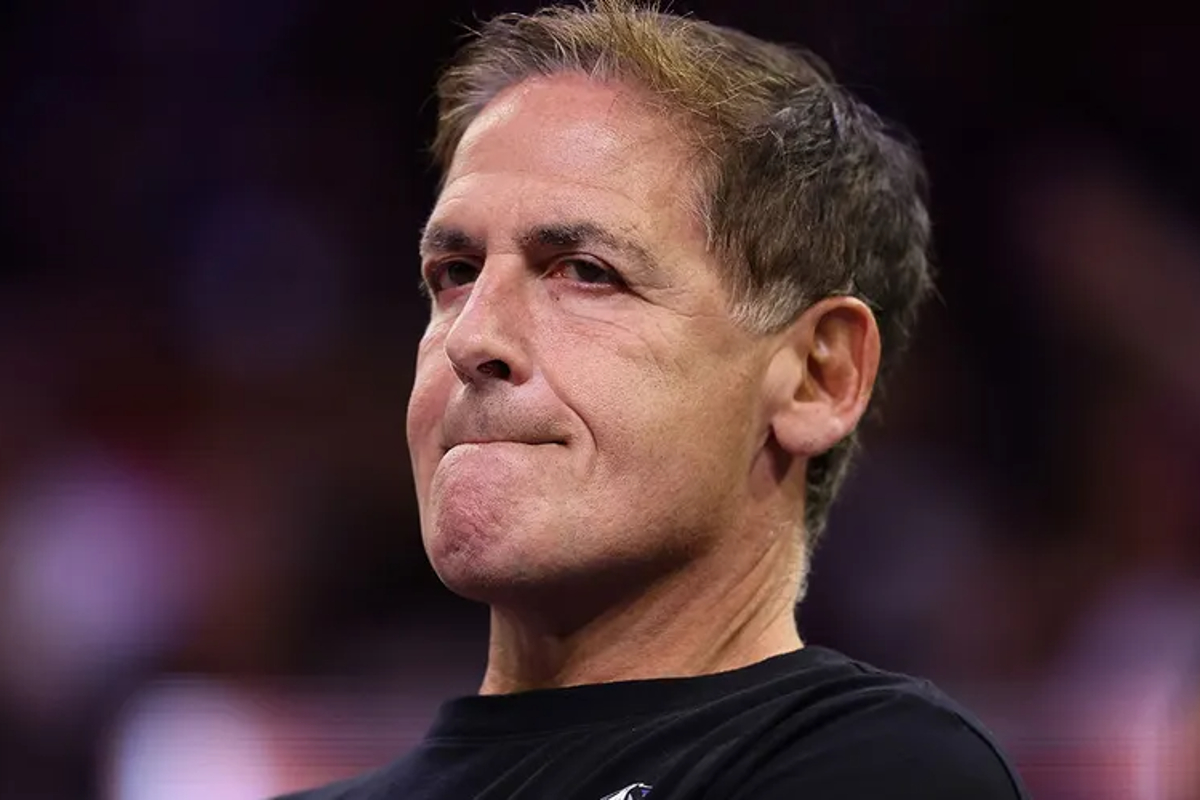
    Billionaire entrepreneur Mark Cuban has taken a bold step towards reshaping the entertainment landscape in Texas. The Dallas Mavericks owner envisions a multibillion-dollar integrated casino resort complete with an NBA arena, blending sports and gambling in a unique destination. However, the realization of this dream faces significant hurdles due to Texas’s prohibition on commercial casino gambling.

    Mark Cuban Texas casino Dallas Las Vegas Sands
    Mark Cuban Casino Resort Proposal

    Cuban’s plan involves a partnership with Las Vegas Sands, a major player in the global casino industry, known for its lavish resorts in Macau and Singapore. Sands previously divested its domestic assets but is now looking for new opportunities in Texas. For instance, they sold their Pennsylvania property for $1.3 billion in 2018 and their Las Vegas Strip holdings for $6.25 billion in January 2021.

    According to Cuban, establishing a casino resort with an NBA arena would not only provide a spectacular venue for basketball fans but also entice tourists from across the nation and beyond. “When we build a new arena, it’ll be in the middle of a resort and casino,” Cuban stated, emphasizing the potential for economic diversification and growth.

    Challenges and Legislative Efforts

    Currently, the challenge lies in convincing Texas lawmakers to legalize commercial casino gambling. Despite various legislative attempts in recent sessions to create a regulatory framework for casinos, none have gained sufficient traction in the legislature. State Senator Carol Alvarado has pledged to reintroduce a comprehensive casino gaming bill in 2023, mirroring her previous efforts.

    • Texas has one of the largest populations in the United States, with Dallas ranking as the third most populated city, making it a prime candidate for a casino.
    • Political analysts believe that public sentiment is gradually shifting in favor of expanded gambling, making the prospect of casino legalization more feasible.

    Cuban stresses that regulated gaming could significantly benefit Texas’s economy. “Destination resort casinos can drive billions into the state’s coffers,” he has remarked, highlighting the potential for job creation and increased tax revenue.

    Creating a Destination

    As a longtime resident of Dallas, Cuban is committed to keeping the Mavericks within the city limits. He has declined lucrative offers from nearby suburban areas to ensure that the team’s practice facility remains in Dallas. He envisions that the proposed casino resort would serve as a major tourist attraction, drawing visitors from various states and revitalizing the local economy.

    1. Without a prominent destination resort, Texas lacks a compelling draw for tourists.
    2. Cuban’s vision represents not only an investment in gaming but also an investment in the future of Texas tourism.

    In his words, “For anyone who lives outside of Texas, there’s no destination they plan to visit.” Cuban aims to change that narrative by creating an exciting venue that brings people to Texas.

    Conclusion

    Mark Cuban’s aspiration for a casino resort anchored by an NBA arena in Dallas signifies a potential transformation for the state’s tourism and gaming landscape. While significant legal challenges remain, the push towards legalization reflects a changing attitude towards gambling in Texas, paving the way for new economic opportunities.

    Washington Kalshi court order editorial news image

    Washington Kalshi Court Order: Judge Requires Geofencing of Most Wagers

    Washington Kalshi Court Order: Judge Requires Geofencing of Most Wagers

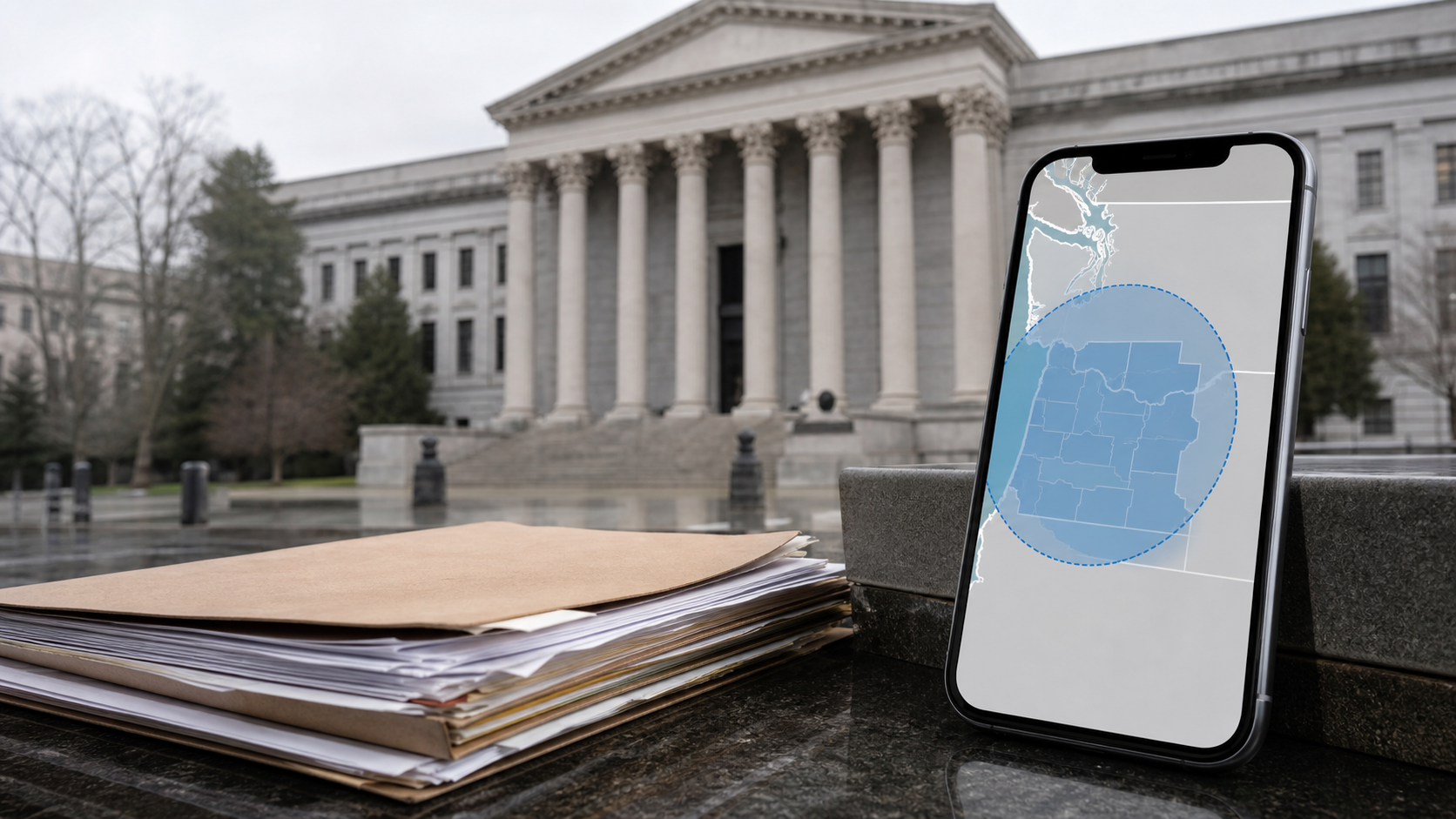
    Washington Kalshi court order is in focus for U.S. readers after WA Court Orders Kalshi to Halt Most Prediction Market Wagers reported a King County Superior Court judge ordered Kalshi to stop offering or facilitating many prediction-market wagers in Washington. This original briefing keeps the source visible, separates reported facts from analysis, and avoids treating a headline as a promise, legal conclusion, or betting recommendation.

    What happened

    a King County Superior Court judge ordered Kalshi to stop offering or facilitating many prediction-market wagers in Washington. The source was published on 2026-08-17T15:57:00+00:00. The development sits inside a U.S. market where casino resorts, tribal governments, suppliers, regulators, public agencies, entertainment venues, and consumers can be affected by the same announcement in different ways.

    Key facts from the report

    • The order covered sports, elections, politics, entertainment, culture, technology, and science wagers described in the report.
    • Kalshi was required to implement IP-address and residency-based geofencing by August 19 and a multi-source geofencing solution by September 2.
    • The court found that Kalshi likely violated the Washington Gambling Act and Consumer Protection Act, according to the source.
    • Kalshi’s appeal request for a stay was denied, while the broader legal dispute continued.

    The original report provides the detail and publication context for these points. Readers should open it for the full wording, updates, corrections, and any documents linked by the source. This article summarizes the development in original language rather than reproducing the source.

    Why Washington Kalshi court order matters

    The Washington Kalshi court order highlights how the same product can be described differently by a platform and by a state regulator or court. Jurisdiction, product design, marketing, chance, risk, and consumer disclosures can all influence the legal analysis.

    One reason to read this story carefully is that U.S. gambling is not governed by a single nationwide playbook. State laws, tribal arrangements, licensing, court orders, tax treatment, business contracts, and consumer-protection rules can all change what a development means in practice. A company announcement, an analyst view, an allegation, a scheduled event, and a completed action are different kinds of information.

    Natural secondary phrases for readers exploring this topic include Kalshi Washington ruling, prediction market geofence, Washington gambling law. They are related search language, not additional claims. Search demand does not establish legality, profitability, safety, or the likelihood of a particular outcome. Those questions need current official information and, where appropriate, professional advice.

    What operators, regulators, and consumers should watch

    Operators will likely focus on execution, costs, customer response, compliance, staffing, technology, and the effect on the wider property or market. Regulators and public agencies will focus on jurisdiction, evidence, disclosure, licensing, privacy, public safety, and whether the people affected can understand the terms. Consumers should verify who is responsible for a product or service, whether it is legal where they are located, what limits apply, and what happens if plans change.

    For related destination-site context, readers can review Papaya bankruptcy judgment dispute enters Chapter 15 court process, Casino Regulations in Pennsylvania: Why a Local Casino Was Fined | 10BET, Kansas sports betting revenue story turns to border-market pressure. These internal links are included as related reading, not endorsements of an operator, product, investment, promotion, or wager. Authoritative supporting information is available from Washington State Attorney General and Washington State Gambling Commission.

    What comes next

    Users and operators should follow the court docket, Washington Attorney General updates, and any official changes to access restrictions instead of assuming that a national app is legal everywhere. Follow-up reporting may add facts that were unavailable when the source article was first published. That is especially important for legal disputes, regulatory proposals, ownership changes, financial figures, construction schedules, technology partnerships, market data, and tax estimates. Keep the publication date visible and do not treat an initial report as the final word.

    A measured reading also protects consumers from hype. Revenue is not profit, a forecast is not a guarantee, a price is not a probability, an allegation is not a judgment, a donation is not a promotion, and a headline figure is not necessarily the amount received. Those distinctions help readers make better decisions even when the news is exciting.

    FAQ

    Does this update change gambling rules everywhere in the United States?

    No. The effect depends on the jurisdiction, the organization involved, the product or activity described, and the latest official rules. A development in Virginia, Washington, Kansas, or another market does not automatically apply nationwide.

    What should readers verify before acting on the news?

    Check the original source, the publication date, the relevant regulator or organization, current terms, and whether the information is a proposal, opinion, estimate, allegation, scheduled event, or completed action.

    How can gambling stay recreational?

    Set a budget and time limit before you begin, avoid chasing losses, and take a break if gambling stops feeling enjoyable. Do not borrow money or use funds intended for essentials. If gambling becomes difficult to control, seek confidential help from a qualified support service.

    Responsible gambling: Gambling involves risk and is not a way to make guaranteed income. Only participate where legal, use money you can afford to lose, set limits in advance, avoid chasing losses, and seek qualified support if gambling affects your finances, relationships, or wellbeing.

    Original source: WA Court Orders Kalshi to Halt Most Prediction Market Wagers from Indian Gaming. Authoritative supporting links: Washington State Attorney General and Washington State Gambling Commission.

    Powerball jackpot taxes editorial news image

    Powerball Jackpot Taxes: What the $1.04B Illinois Win Shows

    Powerball Jackpot Taxes: What the $1.04B Illinois Win Shows

    Powerball jackpot taxes is in focus for U.S. readers after Illinois Player Wins $1.04B Powerball Jackpot reported a development connected to a Casino.org report on a single Illinois ticket winning the $1.04 billion Powerball jackpot. This original briefing keeps the source visible, separates reported facts from analysis, and avoids treating a headline as a promise, legal conclusion, or betting recommendation.

    What happened

    a Casino.org report on a single Illinois ticket winning the $1.04 billion Powerball jackpot. The source was published on 2026-08-13T07:56:15-05:00. Its subject sits inside a U.S. market where casino resorts, tribal governments, suppliers, regulators, entertainment venues, and consumers can be affected by the same announcement in different ways.

    Key facts from the report

    • The winning ticket ended a 44-drawing drought and was described as the eighth-largest Powerball jackpot ever.
    • The winner could choose a $1.04 billion annuity or a reported $450.5 million cash option.
    • The report estimated that the cash option would fall to about $261.5 million after federal and Illinois state taxes.
    • The exact tax outcome depends on the winner’s circumstances and professional advice; a news estimate is not individualized tax guidance.

    The original report provides the detail and publication context for these points. Readers should open it for the full wording, updates, corrections, and any documents linked by the source. This article summarizes the development in original language rather than reproducing the source.

    Why Powerball jackpot taxes matters

    The headline amount is not the same as the amount a winner receives. Annuity timing, cash value, federal withholding, state tax, filing status, and professional planning can all matter.

    One reason to read this story carefully is that U.S. gambling is not governed by a single nationwide playbook. State laws, tribal arrangements, licensing, court orders, tax treatment, business contracts, and consumer-protection rules can all change what a development means in practice. A company announcement, an analyst view, an allegation, a scheduled event, and a completed action are different kinds of information.

    Natural secondary phrases for readers exploring this topic include Powerball cash option, lottery winnings tax, Illinois lottery jackpot. They are related search language, not additional claims. Search demand does not establish legality, profitability, safety, or the likelihood of a particular outcome. Those questions need current official information and, where appropriate, professional advice.

    What operators, regulators, and consumers should watch

    Operators will likely focus on execution, costs, customer response, compliance, staffing, technology, and the effect on the wider property or market. Regulators and public agencies will focus on jurisdiction, evidence, disclosure, licensing, privacy, public safety, and whether the people affected can understand the terms. Consumers should verify who is responsible for a product or service, whether it is legal where they are located, what limits apply, and what happens if plans change.

    For related destination-site context, readers can review Mohegan Sun jackpots top $1 million across June and July wins, From Justice to Jackpot: Rehabilitation and Excitement at Las Vegas Casinos | 10BET, Elon Musks Lottery Scheme: Scrutiny Under Political Law. These internal links are included as related reading, not endorsements of an operator, product, investment, promotion, or wager. Authoritative supporting information is available from IRS Topic 419: Gambling Income and Losses and Illinois Lottery.

    What comes next

    Anyone receiving a major lottery prize should confirm the official claim process and consult qualified tax and legal professionals before making financial decisions. Follow-up reporting may add facts that were unavailable when the source article was first published. That is especially important for acquisitions, legal disputes, event schedules, security certifications, financial figures, health-related cancellations, and tax estimates. Keep the publication date visible and do not treat an initial report as the final word.

    A measured reading also protects consumers from hype. Revenue is not profit, a forecast is not a guarantee, a price is not a probability, an allegation is not a judgment, a donation is not a promotion, and a headline prize is not necessarily the amount received. Those distinctions help readers make better decisions even when the news is exciting.

    FAQ

    Does this update change gambling rules everywhere in the United States?

    No. The effect depends on the jurisdiction, the organization involved, the product or activity described, and the latest official rules. A development in Nevada, Illinois, Oklahoma, or another market does not automatically apply nationwide.

    What should readers verify before acting on the news?

    Check the original source, the publication date, the relevant regulator or organization, current terms, and whether the information is a proposal, opinion, estimate, allegation, scheduled event, or completed action.

    How can gambling stay recreational?

    Set a budget and time limit before you begin, avoid chasing losses, and take a break if gambling stops feeling enjoyable. Do not borrow money or use funds intended for essentials. If gambling becomes difficult to control, seek confidential help from a qualified support service.

    Responsible gambling: Gambling involves risk and is not a way to make guaranteed income. Only participate where legal, use money you can afford to lose, set limits in advance, avoid chasing losses, and seek qualified support if gambling affects your finances, relationships, or wellbeing.

    Original source: Illinois Player Wins $1.04B Powerball Jackpot from Casino.org News. Authoritative supporting links: IRS Topic 419: Gambling Income and Losses and Illinois Lottery.