


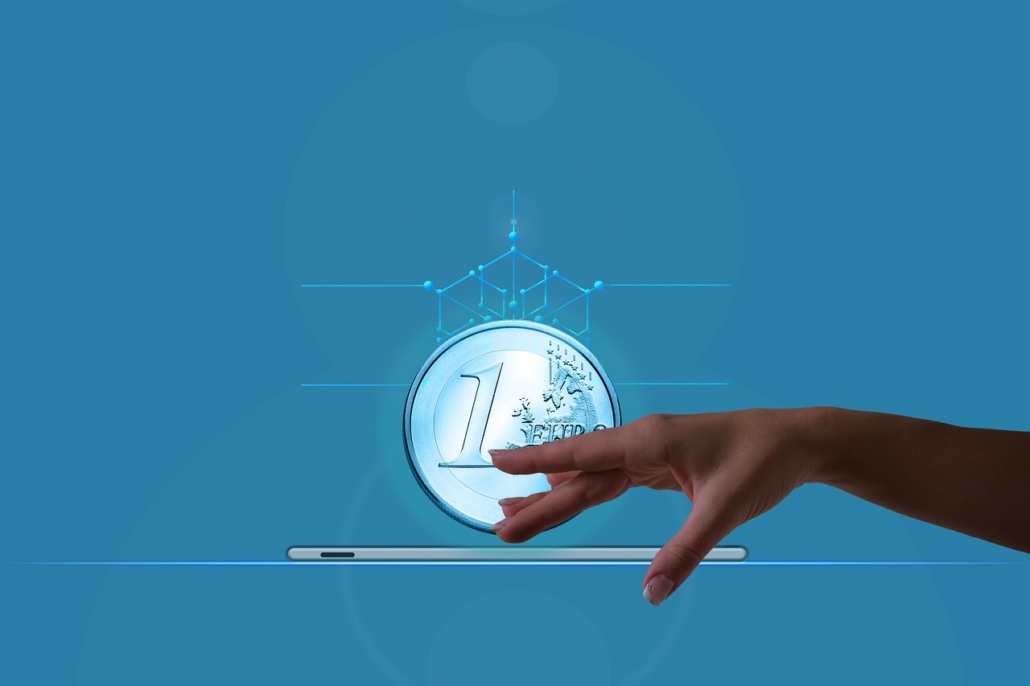
Crypto Gambling vs. Traditional Payments: Understanding Digital Currency Methods | 10BET
Introduction
The landscape of financial transactions is evolving rapidly, fundamentally reshaping how enthusiasts engage with online entertainment. With the rise of digital currencies like Bitcoin and Ethereum, the surge in crypto gambling has introduced a new era of anonymity and speed to the gaming world. As individuals and businesses navigate the choice between digital assets and traditional methods, this article delves into the nuances of these payment systems, exploring how the shift toward crypto gambling impacts the advantages, disadvantages, and overall economy of the modern casino industry.
1. What is Digital Currency?
Digital currency refers to any form of currency that exists only in digital form and is not tangible like traditional currencies (cash or coins). Bitcoin, created in 2009, was the first decentralized digital currency, and since then, thousands of cryptocurrencies have emerged.
Characteristics of Digital Currency
- Decentralization: Most digital currencies operate on blockchain technology, which distributes control across a network, unlike traditional currencies regulated by central banks.
- Security: Digital currencies utilize cryptographic techniques to secure transactions, making them difficult to counterfeit.
- Accessibility: Anyone with an internet connection can access digital currency markets, eliminating geographical restrictions.
2. Understanding Traditional Payment Methods
Traditional payment methods include cash, debit cards, credit cards, and bank transfers. These methods have been used for decades and are regulated by financial institutions and government bodies.
Types of Traditional Payment Methods
- Cash: Physical currency that is universally accepted for transactions.
- Credit Cards: Allow consumers to borrow money up to a certain limit for purchases, with the obligation to pay back the borrowed amount plus interest.
- Bank Transfers: Electronic transfers of money between bank accounts, often used for larger transactions like mortgages or business payments.
3. Benefits of Digital Currency
Digital currency offers several advantages over traditional payment methods:
- Lower Transaction Fees: Digital currency transactions often incur lower fees compared to credit or debit card transactions.
- Speed: Digital transactions can be completed in minutes or seconds, compared to days for bank transfers.
- Global Reach: Digital currencies can be transacted across borders without currency conversion or high transaction costs.
4. Risks Associated with Digital Currency
Despite its advantages, digital currency also comes with certain risks:
- Volatility: The value of cryptocurrencies can fluctuate dramatically, affecting their usability as a stable currency.
- Regulatory Concerns: Many governments are still defining their stance on digital currencies, leading to uncertainty for users.
- Cybersecurity Risks: Digital wallets and exchanges can be vulnerable to hacking and theft.
5. Advantages of Traditional Payment Methods
Traditional methods also have their perks:
- Stability: Traditional currencies are generally stable and backed by governments.
- Consumer Protection: Credit cards and debit cards offer protections against fraud that digital currencies do not.
- Widespread Acceptance: Cash is accepted almost everywhere, making it the most universal payment method.
6. Disadvantages of Traditional Payment Methods
However, traditional payment methods are not without their downsides:
- High Fees: Credit card companies charge fees that can add up for businesses and consumers alike.
- Transaction Times: Transactions can take longer, especially for international payments.
- Privacy Concerns: Traditional methods involve banks that track transactions, raising privacy issues.
7. The Future of Payments
As technology advances, the future of payments will likely see an integration of digital and traditional methods. Trends like the following may shape this future:
- Increased Use of Blockchain: This technology could streamline transactions and enhance security for both digital and traditional methods.
- Central Bank Digital Currencies (CBDCs): Many countries are exploring CBDCs, which would be state-backed digital currencies interfacing with existing financial systems.
- Payment Innovations: Mobile payment systems and peer-to-peer transactions are on the rise, blending traditional banking with digital currency convenience.
8. Conclusion
The world of payments is at a crossroads with digital currency and traditional methods each offering unique advantages and disadvantages. By understanding their differences, consumers and businesses can make informed decisions about how to conduct transactions effectively.
For more in-depth information, check out these resources: Investopedia on Digital Currency, Bankrate Guide on Banking.