


The Essential Role of Casino Dealers: A Global Comparative Study | 10BET
Introduction
While many players focus on the rhythm of the cards or the roll of the dice, the true heartbeat of the gaming floor lies with the casino dealers. Acting as both the primary facilitators of gameplay and the architects of the player experience, these professionals hold the floor together. This article explores the multifaceted role of casino dealers across different cultures and legal frameworks, providing deep insight into the specialized skills and heavy responsibilities required to master this position.
The Traditional Role of Croupiers
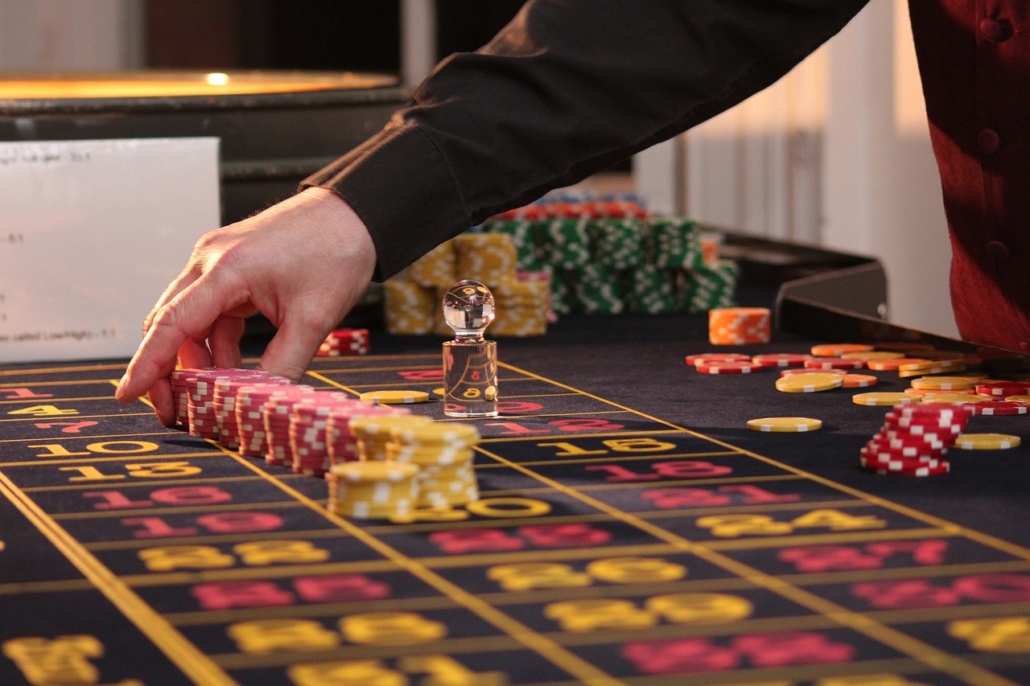
Croupiers are best known for their roles in games such as roulette, blackjack, and poker. Traditionally, their primary responsibilities include:
- Managing the game flow
- Ensuring fair play
- Handling chips and cards
- Communicating with players
In casinos worldwide, croupiers act as the face of the gaming table, creating a welcoming and engaging environment.
Legal Frameworks and Licensing
Different countries have established various legal frameworks governing croupier operations. For example:
- In the United States, croupiers typically are required to obtain a gaming license, reflecting local regulations.
- In the United Kingdom, specific training and certification programs are mandated through organizations like the UK Gambling Commission.
- In countries like Macau and Singapore, stringent regulations also dictate operations, ensuring high standards of professionalism.
These frameworks help to ensure that croupiers operate within the law while maintaining integrity in gambling practices.
Skills Required for Croupiers
Croupiers must possess a unique set of skills to succeed in their roles, including:
- Numerical Proficiency: Quick mental arithmetic is essential for calculating payouts and bets.
- Communication Skills: Croupiers must clearly explain rules and engage effectively with players.
- Multitasking: Managing multiple players’ bets while handling cards and chips requires exceptional multitasking abilities.
- Attention to Detail: Ensuring accuracy in all transactions and monitoring the game are critical.
- Customer Service: Providing a positive gaming experience is key to player retention.
Training programs often focus on developing these skills, tailored to the specific games the croupier will handle.
Croupier Training and Education
Training for croupiers varies significantly worldwide, with some common forms of education including:
- Formal Education: Many croupiers attend specialized schools that teach the technical skills necessary for various games.
- On-the-Job Training: New croupiers are often paired with experienced dealers to learn the ropes in real-time.
- Workshops and Seminars: Continuous education programs keep croupiers updated on industry changes and new games.
For instance, institutions like Gaming Academy offer internationally recognized croupier training.
Comparative Work Environments: East vs. West
Croupiers in the East, especially in Asia, often work in high-stakes environments where the atmosphere is markedly different from that of Western casinos. Key differences include:
- Gaming Culture: Asian gaming environments often involve more communal play, while Western establishments focus on individualistic experiences.
- Dress Codes: Croupiers in Asia may wear more formal attire compared to the more relaxed garb standard in Western casinos.
- Tip Earnings: In some regions, tips are a significant part of income, influencing service style.
This comparative perspective highlights how cultural differences influence the role of croupiers.
The Influence of Technology on Croupier Roles
As technology continues to evolve, the roles of croupiers adapt as well. Some notable influences include:
- Automated Tables: The introduction of electronic gaming tables reduces the need for croupiers in some instances.
- Online Gambling: Live dealer games have emerged, where croupiers operate gaming tables via live streaming technology.
- Training Simulations: New technologies offer virtual training tools, enhancing learning experiences for aspiring croupiers.
While technology poses challenges, it also opens new opportunities for croupiers to thrive in diverse gaming environments.
Challenges Faced by Croupiers
The role of a croupier is not without challenges. Common issues include:
- Stressful Work Environment: Managing high-stakes games can create pressure.
- Dealing with Difficult Customers: Handling disputes or dissatisfied players requires diplomacy.
- Health Concerns: Long hours standing can lead to physical strain.
Despite these challenges, many croupiers find rewards in the dynamic nature of their roles and the interaction with players from different walks of life.
Conclusion
The role of a croupier is pivotal to the gaming industry, showcasing varying responsibilities, skill sets, and cultural nuances worldwide. Understanding their work enriches our appreciation for the fine balance croupiers maintain between facilitating entertainment and upholding regulatory standards.