


Global Gambling Superstitions: Exploring Cultural Myths and Traditions | 10BET
Introduction
Throughout human history, the act of wagering has transcended cultures and societies, evolving into a complex ritual defined by more than just chance. While many focus on the math of the odds, the true atmosphere of the casino is often dictated by a deep-seated reliance on gambling superstitions that shape how players approach every bet. From lucky charms to specific rituals, these beliefs drive player behavior and add a layer of psychological tension to the game. This article explores various cultural myths and gambling superstitions practiced globally, shedding light on their origins and their lasting impact on the overall gambling experience.
The Impact of Luck and Fate
In many cultures, luck and fate play a significant role in gambling. For instance, in Chinese culture, the number eight is considered auspicious because it sounds like the word for wealth. This belief often manifests in gambling settings, where players might choose Lucky 8 or seek out other numbers associated with good fortune.
Western Perspectives on Luck
In Western cultures, luck is often personified as a figure, such as a ‘lucky rabbit’s foot’ or a ‘four-leaf clover.’ Many players carry talismans or adopt specific rituals before placing bets, believing they can influence the outcome with their actions.

Myths Surrounding Specific Games
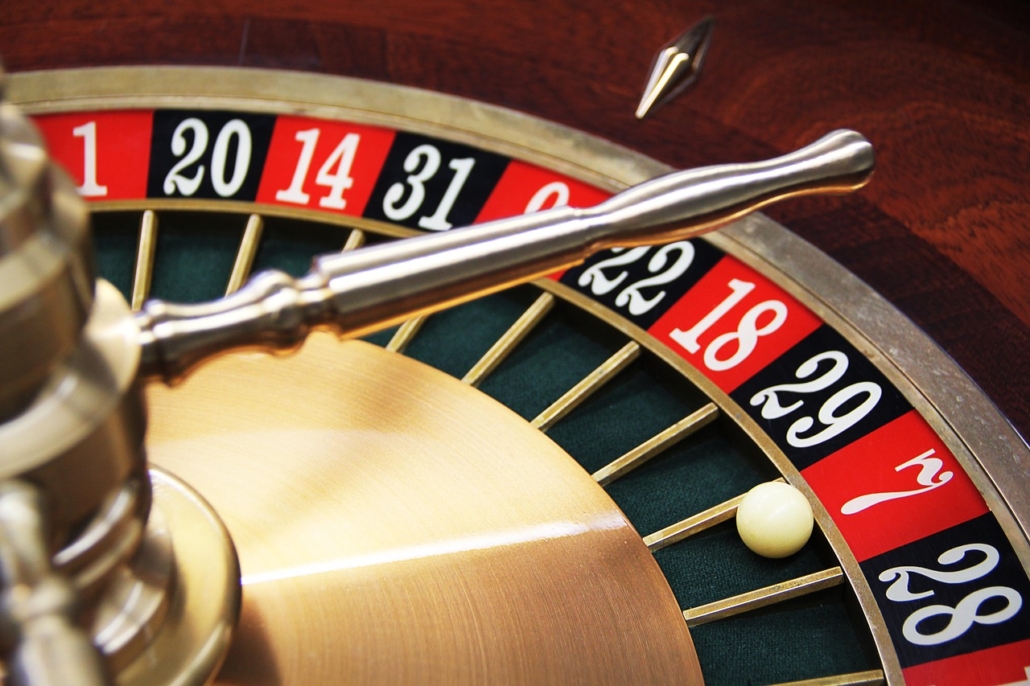
Different gambling games have unique myths associated with them. For example, in roulette, players often believe that a particular color or number, having been ‘due,’ is more likely to win. This is often referred to as the ‘gambler’s fallacy,’ where players believe past outcomes can affect future results.
Poker Superstitions
- Some poker players avoid wearing hats at the table, thinking it brings bad luck.
- Players often believe in the power of a ‘lucky chip’ or a specific dealer based on previous winnings.
- There is a common belief that if a player has a pair of aces, they should always win, leading to overconfidence.
Regional Beliefs
Across various regions, specific beliefs influence gambling practices. In South America, some indigenous groups perform rituals involving llama sacrifices to appease deities before playing games of chance. Similarly, in parts of Africa, rituals are conducted to solicit blessings for favorable outcomes in games.

Asian Superstitions
- In Japan, it’s believed that handling money in a careful, respectful manner brings good luck.
- Filipinos often avoid playing on Fridays, associating the day with bad luck.
Celebrity Influence and Popular Culture
The influence of celebrities on gambling myths shouldn’t be underestimated. Iconic figures like James Bond in James Bond films create a glamorous association with gambling that encourages individuals to view it as a path to wealth and luck.
Gendered Perceptions of Luck
Myths surrounding gambling also extend to gender. In some cultures, women are viewed as bad luck at the gaming table, potentially leading to exclusion from certain gambling events. Conversely, in others, women are considered harbingers of good fortune.
Religious Interpretations
Many gambling superstitions are intertwined with religious beliefs. In Christianity, for instance, gambling can be viewed as sinful, leading to the belief that engaging in such activities brings misfortune.

Conclusion
Understanding cultural myths and superstitions surrounding gambling enriches our appreciation of this popular pastime. These beliefs not only shape individual players’ experiences but also influence the gaming environment and the strategies employed in various games. Recognizing these factors adds a new dimension to the understanding of gambling practices worldwide.