

The Future of Tribal Gaming: Oklahoma Tribes Fight Governor Stitt’s Compact Renegotiation
Oklahoma Tribes Fight to Protect Tribal Gaming Rights Against Governor Stitt’s Compact Renegotiation Initiative
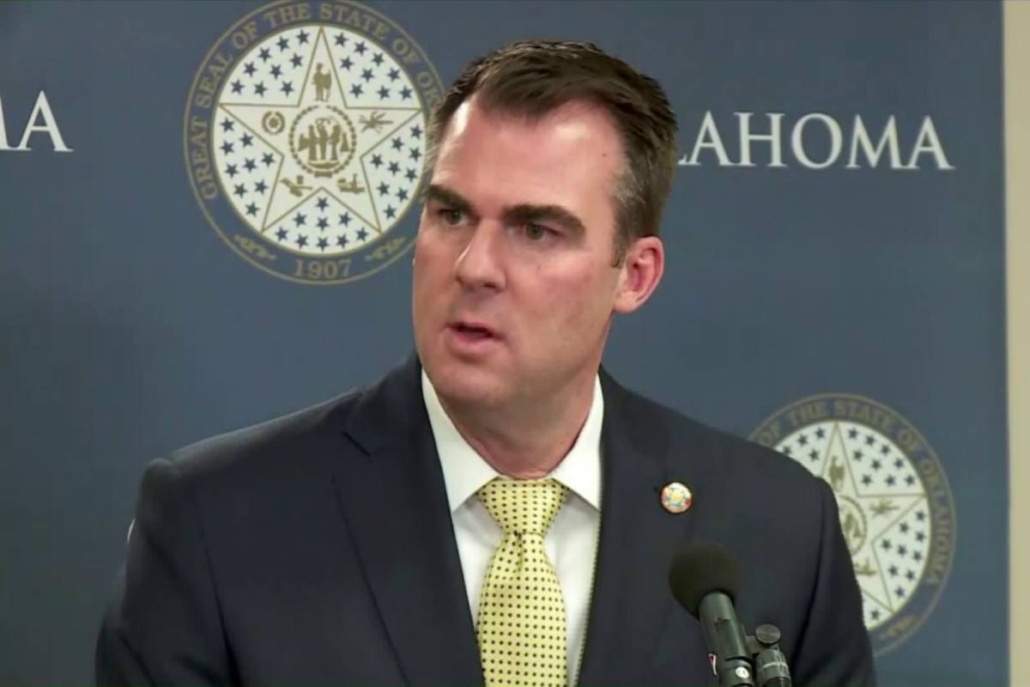
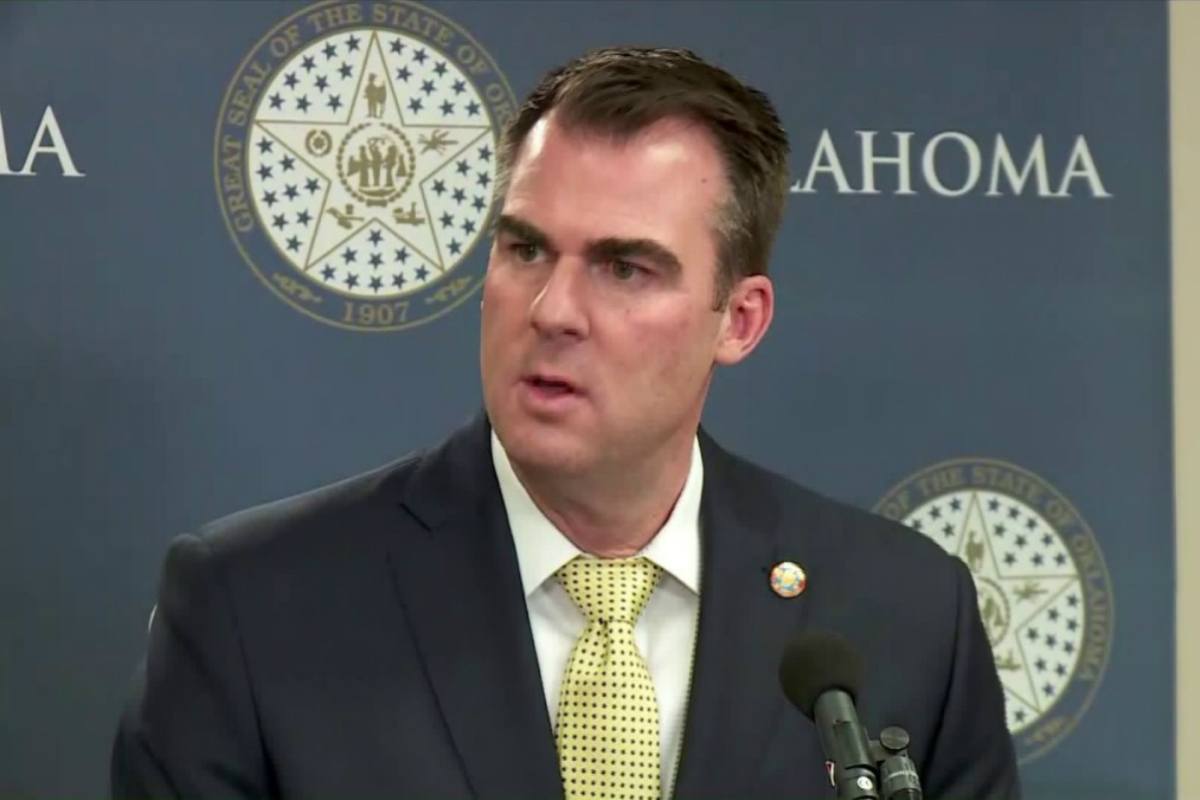
The ongoing legal battle over revenue-sharing frameworks has placed tribal gaming at the center of a massive political struggle in Oklahoma. As Governor Kevin Stitt attempts to renegotiate existing gaming compacts, the states indigenous nations are banding together to protect the stability and sovereignty of their tribal gaming industry against these proposed adjustments.

According to Matt Morgan, Chairman of the Oklahoma Indian Gaming Association (OIGA), a significant majority of the state’s 38 Native American tribes are collaborating to challenge the governor’s proposal, which involves altering their existing gaming agreements.
“If we stand united, we have a strong opportunity to secure favorable outcomes,” Morgan asserted during a tribal gaming conference, as reported by Tulsa World.
“It seems Governor Stitt may not fully grasp the workings of these compacts,” Morgan elaborated. “It’s either the same terms as before or an improved offer for our tribes.”
Oklahoma Gaming Landscape
Oklahoma features a diverse range of tribal gaming facilities, encompassing approximately 130 casinos statewide. These venues range from small gaming kiosks situated in convenience stores to expansive integrated resorts such as WinStar World, recognized as the world’s largest gaming facility by floor area.
Concerns Over Compacts
Stitt argues that the 15-year-old gaming compacts, which were initially set to expire on January 1, 2020, require modifications. He believes the exclusivity fees paid by the tribes for operating slot machines and table games are insufficient. Currently, tribes contribute between 4% and 6% of their slot machine earnings, as well as 10% of their table game revenues to the state.
“The simplest approach would be to simply renew the existing compacts unchanged, rather than undertaking the challenging process of reviewing and negotiating new agreements that reflect the current market realities,” Stitt stated earlier this month. “This involves engaging in constructive discussions with tribal partners to modernize these outdated compacts.
Tribal Perspectives and Future Steps
A spokesperson, Murphy, contends that existing tax rates on tribal gaming in Oklahoma are comparable to those found in other states with Native American casinos. He believes his constituents could be open to renegotiation if the state allows expanded gaming options, particularly regarding the operation of sportsbooks.
Current compacts would enable such expansion, especially after the US Supreme Court lifted the federal ban on sports betting in May 2018, prompting nine states to implement sports gambling initiatives alongside Nevada.
New Mexico serves as a prime example, where the Santa Ana Star Casino, owned by Pueblo Indians, has successfully introduced a sportsbook. Under their respective gaming compact, the tribal casino is permitted to conduct “any and all forms of Class III gaming,” including sports betting.
Conclusion
In summary, Oklahoma tribes are united in their opposition to Governor Stitt’s attempts to renegotiate gaming compacts, fearing significant impacts on their revenues and operations. With a variety of gaming establishments across the state, the tribes maintain that any changes to the current agreements should be carefully considered to protect their rights and ensure continued success in the gaming industry.