


The Las Vegas Strip Reimagined: How the New Airport Expansion Boosts Casino Tourism | 10BET
Fly Into the Action: New Airport Expansion Brings More Gamblers to the Las Vegas Strip
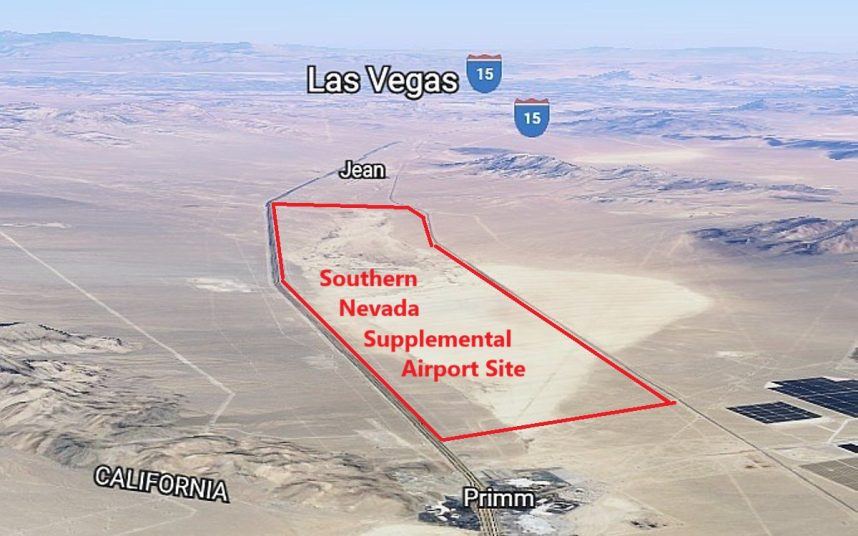
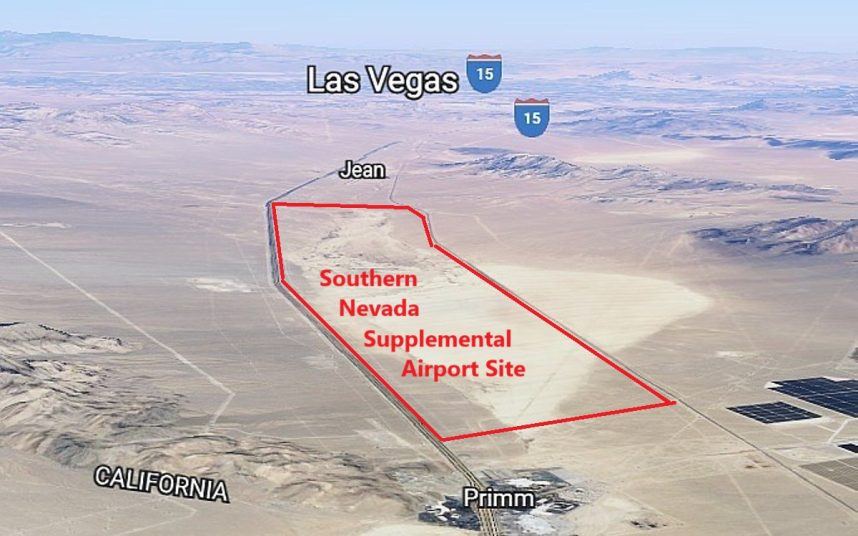
As the global epicenter of excitement, the Las Vegas Strip continues to draw millions of travelers eager for world-class gaming and entertainment, fueling a constant need for improved infrastructure. More than 25 years after it was first proposed, work on the Southern Nevada Supplemental Airport (SNSA) is once again moving forward to better support this massive influx of visitors. According to The Las Vegas Review-Journal, three public hearings are scheduled in late July to gather input on the environmental impact of the project.
- Environmental impact statements are key in the project’s progress.
- The Southern Nevada Supplemental Airport, proposed in 1998, will be constructed 30 miles south of the Las Vegas Strip and is designed to handle 35 million passengers annually.
- The project is currently seven years behind schedule and requires agreements on environmental concerns for further advancement.
The airport, originally named the Ivanpah Valley Airport, was earmarked for 6,500 acres of former Bureau of Land Management desert land. The site is located between the towns of Jean and Primm, bordered by I-15 to the west and Union Pacific Railroad to the east. The project’s new footprint has been reduced to 5,752 acres.
Expected Features and Timeline
Plans for the airport include two runways and a terminal capable of accommodating up to 35 million passengers per year. This capacity is essential to alleviate traffic at Harry Reid International Airport, which is projected to reach its maximum capacity of 63 to 65 million passengers annually by 2030.
Despite the optimistic start, the timelines remain ambitious; even if construction begins by 2029 and the airport opens by 2037, Harry Reid is expected to exceed capacity well before the new airport becomes operational.
Historical Delays and Environmental Concerns
The environmental impact statement process for the SNSA faced multiple delays, first paused for approximately two years following the 2008 financial crisis. It was again suspended in 2010 due to environmental concerns regarding the desert tortoise and the endangered white-margined penstemon, as noted in a 2024 KNPR article.
Most recently, the process halted once more due to the COVID-19 pandemic but was recommenced in 2023, spurred on by economic recovery and the resurgence in passenger traffic catalyzed by new sports developments in the region.
The Region’s Growth and Future Preparedness
The area currently under evaluation includes 5,752 acres for the airport, additional coverage for flood mitigation infrastructure, and a noise compatibility zone of approximately 17,000 acres.
Conservationists are likely to pose challenges relating to the desert tortoise and the white-margined penstemon during discussions about the environmental impact. However, airport planners have yet to decide which airlines will operate out of the SNSA.
To facilitate transfers, a high-speed railway system named Brightline West is expected to launch in 2028, creating a swift connection between the new airport and a planned station a few miles south of the Strip.
Summary
As the proposed Southern Nevada Supplemental Airport progresses toward realization, it serves as a crucial development intended to augment air travel capacity in Las Vegas. With multiple environmental checks and a focus on passenger comfort, this venture represents the long-awaited expansion of the bustling Las Vegas transport network, promising to cater to the increasing number of visitors drawn to the entertainment capital of the world. The airport stands as a testament to the growth potential of Southern Nevada as it continuously shapes its future through ambitious infrastructure advancements.