


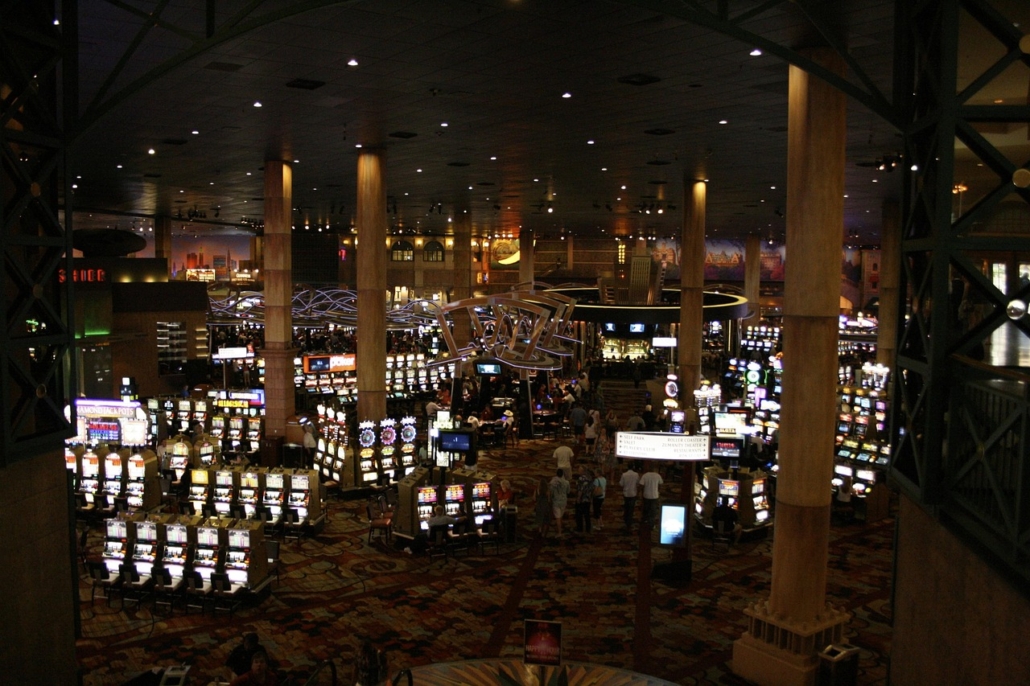
How Neuromarketing is Revolutionizing Casino Marketing and Technology
Understanding Neuromarketing
Neuromarketing is a blend of neuroscience and marketing that analyzes consumers’ sensory responses to ads and products, providing a powerful toolkit for modern casino marketing. By studying brain activity, companies can better understand how emotions influence purchasing decisions and impulse control. As a result, the industry has increasingly adopted these biological insights to refine their casino marketing strategies, allowing operators to enhance player engagement and optimize every aspect of the gaming experience.
The Role of Technology in Neuromarketing
Advanced technology, including fMRI and EEG, allows researchers to measure players’ emotional and cognitive responses. This technology collects real-time data, providing insights into how players interact with different elements within the casino. With these insights, casinos can refine their offerings to better meet customer preferences.
1. Enhancing Slot Machines
Casinos are leveraging neuromarketing to design more engaging slot machines. By studying players’ brain responses, they can identify which themes, sounds, and visuals trigger excitement and satisfaction. Some findings include:

- Bright colors and animations increase engagement.
- Familiar themes elicit stronger emotional connections.
- Strategic sound effects can enhance the gambling experience.
2. Personalized Gaming Experiences
By analyzing player behavior and preferences through neuromarketing, casinos can tailor experiences specific to individual players. This personalization extends to:

- Game recommendations based on past play history.
- Customized bonuses and promotions.
- Personalized communication strategies via CRM systems.
3. Optimizing Casino Layouts
Neuromarketing insights have led to more strategic casino floor layouts. Pathways and positioning of games influence player flow and time spent at particular machines. Casinos are employing these insights to:

- Create high-traffic areas with popular games.
- Utilize signage and lighting to guide players.
- Experiment with game placement to test traffic patterns.
4. The Use of Sensory Branding
Sensory branding involves engaging the five senses to create a memorable customer experience. In the casino environment, this can include:
- Unique scents that evoke feelings of excitement or relaxation.
- Specific music playlists that enhance the overall ambiance.
- Visually appealing interior designs that keep players feeling welcome.
5. Measuring Player Experience
Casinos can utilize neuromarketing to assess player satisfaction through biometric feedback and surveys. Key metrics monitored include:
- Heart rate variability as a measure of excitement or stress.
- Facial recognition technology to gauge emotional responses.
- Post-game surveys adjusted to reflect real-time player reactions.
6. Influencing Decision-Making
Understanding the psychology behind decision-making is crucial for casinos. Neuromarketing reveals how choice architecture influences player behavior. Techniques include:
- Structuring game choices to encourage higher bets.
- Framing losses versus gains to heighten emotional engagement.
- Offering social proof through player testimonials to enhance trust.
The Ethics of Neuromarketing in Gaming
While neuromarketing holds great promise, ethical implications must be considered. Transparency with players regarding data usage, consent, and the potential for manipulation is essential. Responsible marketing practices will help retain player trust while employing these advanced technologies.
Conclusion
Neuromarketing is shaping the future of casino technology by providing deep insights into player behavior and preferences. By integrating psychological principles with cutting-edge technology, casinos can create a tailored gaming environment that enhances both player satisfaction and revenue. As the industry evolves, the collaboration between neuroscience and marketing will likely continue to grow.
Further Reading
For those interested in exploring more about neuromarketing in gaming, consider reading: