


Mastering Your Poker Strategy: Lessons Learned from Iconic Card Faces | 10BET
The Face Cards: Kings, Queens, and Jacks
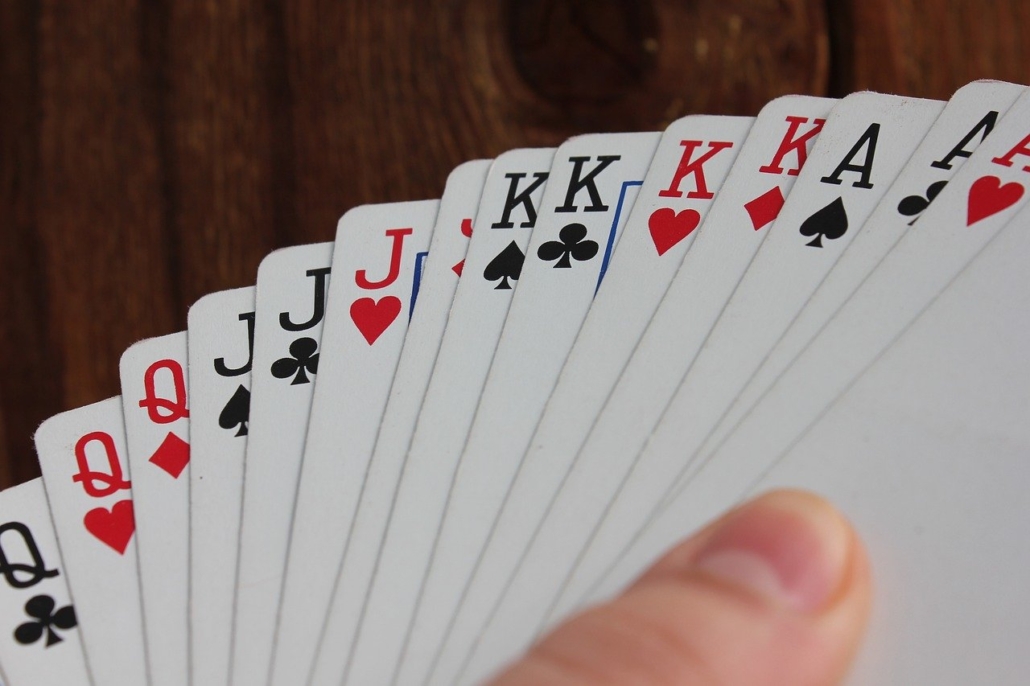
Mastering a professional poker strategy requires much more than just emotional control; it involves understanding the subtle nuances of the deck itself. While a poker face helps conceal your intentions, a truly advanced poker strategy incorporates the historical and cultural significance of the face cards—Kings, Queens, and Jacks—to better navigate the complexities of the game.
1. The King: A Symbol of Power
Historically, the King card represents authority and leadership. The Kings in playing cards are often depicted with various historical figures, such as:
- King David (King of Hearts)
- Alexander the Great (King of Spades)
- Julius Caesar (King of Diamonds)
- Charlemagne (King of Clubs)
Each of these figures was renowned for their power and influence, shedding light on how the Kings in decks symbolize control in the game.
2. The Queen: Feminine Strength and Influence
The Queen card represents strength, grace, and intelligence. The imagery of Queens in card decks often varies by region:
- Queen of Hearts: Represents love and compassion.
- Queen of Spades: Often associated with wisdom and bravery.
- Queen of Diamonds: Embodies wealth and prosperity.
- Queen of Clubs: Symbolizes friendship and loyalty.
These associations reflect how female figures throughout history have wielded power and influence.
3. The Jack: The Messenger
The Jack card serves as the bridge between the King and Queen, often viewed as the youthful and sometimes rebellious character in the deck. Historically, Jacks have symbolized:
- Service to the monarchy
- Adventure and exploration
- The role of the messenger in medieval courts
The Jack brings youthful energy to the game, representing both opportunity and unpredictability.
The Cultural Impact of Face Cards
The cultural significance of face cards extends beyond their visual representation. They have been integrated into art, literature, and even psychology. The popular phrase “poker face,” referring to a stoic demeanor while playing, embodies a strategic approach at the gaming table.
4. Face Cards in Literature and Art
Playing cards have made appearances in various works of literature and art. Notable mentions include:
- Lewis Carroll’s “Alice’s Adventures in Wonderland” (featuring playing card characters)
- Pablo Picasso’s famous paintings, which often incorporate card motifs.
These examples highlight the influence of face cards within cultural narratives, symbolizing chance and choice.
5. The Psychology of the Poker Face
Maintaining a strong poker face can be crucial to bluffing in poker games. Research in psychology suggests that non-verbal cues can significantly impact how one is perceived during gameplay. This underscores the importance of emotional regulation and facial expressions, which can either conceal or reveal one’s intentions.
Global Variations in Card Design
The design and interpretation of face cards vary widely across cultures. In some countries, the King and other face cards might portray local historical figures or motifs. Here are several noteworthy variations:
- French Decks: Popularized the modern format of playing cards.
- Spanish Decks: Feature unique court cards like the “Sota” instead of the Jack.
- Italian Decks: Include different suits such as swords and cups.
These variations showcase the diverse influences and adaptations of playing cards around the world.
Modern Usage of Face Cards in Poker
In modern poker, the role of face cards has evolved with the game. The value of face cards can shift based on the variant of the game being played, such as Texas Hold’em, Omaha, or Seven-Card Stud. Strategically, understanding how to leverage these cards can significantly impact gameplay outcomes.
6. Strategies Involving Face Cards
Understanding and employing strategies involving face cards can enhance your performance at the poker table:
- Bluffing with Face Cards: Knowing when to feign strength can trick opponents.
- Reading Other Players: Observing how opponents react to face cards can provide insights into their hand strength.
- Card Counting: Recognizing which face cards are still in play can improve odds.
Conclusion: The Timeless Allure of Face Cards
The stories behind the iconic face cards continue to intrigue and inspire players worldwide. From their historical roots to their roles in contemporary poker, Kings, Queens, and Jacks embody an intricate blend of strategy, psychology, and culture. Understanding their significance not only enriches the gameplay but also connects players to the broader narrative of human history and culture.